Cedar Hill, TX · Dallas County
Attic Water Removal in Cedar Hill, TXRoof Leak Water Removal & Attic Moisture Inspection
For a storm leak, Attic Water Removal in Cedar Hill means emergency attic water extraction, roof leak water removal and attic moisture inspection.
Answered 24/7
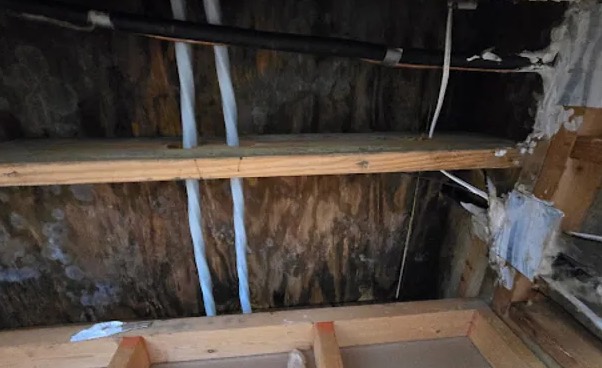
Professional Attic Water Removal in Cedar Hill, TX
An attic leak is easy to miss and expensive to ignore. In Cedar Hill, water from a roof, pipe or AC pan can soak insulation and decking for weeks, then show up all at once as a stained or sagging ceiling.
In Cedar Hill, attic water calls often start with a ceiling stain after heavy rain or a dripping AC drain. Local attic water removal pros serve Cedar Hill, Duncanville, Glenn Heights and Red Oak, removing water and wet insulation and drying the attic.
Comprehensive Attic Water Removal Offerings
Roof Leak Water Removal
A temporary tarp over the damaged section keeps more rain out until the roofer can make a permanent repair.
Attic Moisture Inspection
Moisture meters and thermal cameras check rafters, decking, insulation and the ceiling below, even in spots that look dry.
Emergency Attic Water Extraction
Water sitting on top of ceiling drywall adds weight fast. Removing it quickly can mean the difference between drying a ceiling and replacing it.
Attic Drying Services
Drying continues until rafters, decking and ceiling drywall reach normal moisture readings, which is often several days.
Attic Mold Prevention
After drying, wood that was wet for more than a day or two can be treated with an antimicrobial to slow microbial growth.
Symptoms Requiring Attic Water Removal in Cedar Hill
Visible Mold in Attic Spaces
Dark spots on rafters or roof decking mean the wood has stayed damp for days or longer.
Increased Indoor Humidity Levels
Upstairs rooms that feel sticky or humid may have moisture coming down from the attic.
High Utility Bills Unexpectedly
Wet insulation loses its insulating value, so energy bills can rise after an attic leak.
Sagging or Bubbling Ceiling Drywall
Ceiling drywall that sags, bulges or bubbles at the seams is holding water and may fall.
How Attic Water Removal Works in Cedar Hill
Step 1: Source Control and Water Removal
The roof is tarped or the line shut off, and pooled water is removed from the attic floor.
Step 2: Wet Attic Cleanup and Debris Removal
Soaked insulation, wet debris and stored items are cleared so the wood and drywall can dry.
Step 3: Structural Drying and Dehumidification
Air movers and dehumidifiers are set on boards in the attic and run until readings drop.
Step 4: Final Attic Moisture Check
Decking, rafters and the ceiling below are tested to confirm they are dry before repairs.
Typical Sources of Attic Water Damage
Storm Damage From High Winds or Hail
High winds and hail can damage shingles and open the roof to rain during a storm.
Appliance Malfunctions Like Water Heater Leaks
Water heaters located in the attic can leak or fail, flooding the attic floor.
Overflow From Clogged Bathroom Exhaust Ducts
Bathroom fan ducts that are loose or vented into the attic release moisture onto the wood.
Burst or Leaking Plumbing Pipes
Supply lines and drain pipes in the attic can crack or burst onto the ceiling.
Attic Water Removal for All Property Types in Cedar Hill
Residential Attic Water Removal
In houses, attic water usually reaches a bedroom or hallway ceiling. Water and wet insulation are removed from above, and the ceiling below is dried or replaced.
Commercial Attic Water Removal
In commercial buildings, water above a drop ceiling soaks tiles and insulation over several rooms. Wet tiles are removed and the plenum space above is dried.
The Risks of DIY Attic Water Removal in Cedar Hill
A roof repair stops new water from getting in, but the wet insulation and decking stay wet. After the repair, have the attic checked for remaining moisture.
Factors Influencing Attic Water Removal Cost
The pros inspect the attic and the ceiling before pricing attic water removal in Cedar Hill, then explain what will be removed and dried.
Drying Time Required
Dense wood framing can take several days to dry, which adds equipment time.
Water Contamination Level
Clean rainwater is simpler to handle than water from a drain line or other dirty source.
Type of Insulation Affected
Blown-in insulation takes more time to remove than batts, and both add disposal costs.
Does Insurance Cover Attic Water Removal?
Ceiling damage in the rooms below is usually part of the same attic claim. Make sure the adjuster sees both spaces.
Benefits of Local Pros for Attic Water Removal
Mold Inhibitor Application
Wood that stayed wet can be treated with an antimicrobial after it is dried.
Controlled Demolition Practices
Only wet insulation and drywall are removed, which keeps the repair as small as possible.
Advanced Moisture Detection
Moisture meters and thermal cameras find wet wood and insulation that look dry.
24-Hour Emergency Attic Water Removal Near Cedar Hill
Ceiling sagging under the weight of water? Keep people out of the room below and call (972) 480-3796 now for attic water removal in Cedar Hill.
Call Now (972) 480-3796Attic Water Removal Near Cedar Hill: Areas Served
Need attic water removal outside Cedar Hill? Service also covers Duncanville, Glenn Heights and Red Oak, including emergency help after storms.
- Attic Water Removal in Duncanville
- Attic Water Removal in Glenn Heights
- Attic Water Removal in Red Oak
- Attic Water Removal in Grand Prairie
- Attic Water Removal in Lancaster
- Attic Water Removal in Wilmer
- Attic Water Removal in Kennedale
- Attic Water Removal in Irving
- Emergency Damage Restoration in 75104
- Storm Damage Restoration in 75104
- Water Damage Restoration in 75104
- Water Extraction Service in 75104
- Water Leak Detection in 75104
- Water Removal Service in 75104
- Emergency Damage Restoration in 75106
- Storm Damage Restoration in 75106
Your Attic Water Removal FAQs Resolved
Why is emergency attic drying important?
Wet wood and drywall break down quickly. Drying fast saves more of the ceiling and lowers the risk of microbial growth.
What causes attic water damage?
Roof leaks, plumbing failures, attic AC overflows, water heater leaks, loose bath fan ducts and poor ventilation.
What equipment is used for attic water extraction?
Wet vacs, pumps, air movers, dehumidifiers, moisture meters and thermal cameras, plus vacuums for wet insulation.
What is involved in attic water removal?
Stopping the source, removing pooled water, bagging wet insulation, drying the framing and decking, and checking the ceiling below.
How long does attic drying take?
Often several days, depending on how wet the wood is, the attic temperature and how much insulation was removed.