Coppell, TX · Dallas County
Attic Water Removal in Coppell, TXWet Attic Insulation Removal & Attic Mold Prevention
Get attic water removal in Coppell for attic moisture inspection, attic leak water cleanup and attic mold prevention.
Answered 24/7
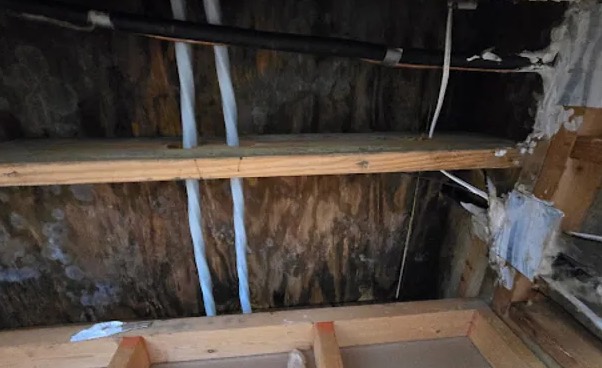
Attic Water Removal Services for Coppell Homes
Attic Water Removal in Coppell is about protecting the ceiling. Water on top of drywall soaks in and adds weight, and wet insulation keeps it soaking long after the leak stops.
In Coppell, attic water calls often start with a ceiling stain after heavy rain or a dripping AC drain. Local water extraction specialists serve Coppell, Grapevine, Lewisville and Carrollton, removing water and wet insulation and drying the attic.
Comprehensive Attic Water Removal Offerings
Wet Attic Insulation Removal
Only the wet sections come out. The edges of the wet area are checked with a meter so dry insulation is not removed by mistake.
Attic Mold Prevention
After drying, wood that was wet for more than a day or two can be treated with an antimicrobial to slow microbial growth.
Roof Leak Water Removal
A temporary tarp over the damaged section keeps more rain out until the roofer can make a permanent repair.
Attic Moisture Inspection
Moisture meters and thermal cameras check rafters, decking, insulation and the ceiling below, even in spots that look dry.
Attic Drying Services
Equipment is adjusted daily, moving airflow from areas that are dry to areas that still read wet.
Warning Signs You Need Attic Water Removal
Puddles or Standing Water in Attic
Pooled water on the attic floor or on top of drywall needs removal right away.
Visible Mold in Attic Spaces
Dark spots on rafters or roof decking mean the wood has stayed damp for days or longer.
Condensation on Attic Windows or Nails
Damp nail tips or water droplets on attic surfaces point to moisture or ventilation problems.
Rotting Wood on Attic Beams
Soft, dark or crumbling wood on rafters and beams points to long-term moisture.
How Attic Water Removal Works in Coppell
Step 1: Initial Attic Water Damage Assessment
The pros check safety, find the source and map the wet area with moisture meters.
Step 2: Bulk Water and Material Removal
Pooled water, soaked insulation and any sagging drywall are removed from the attic and ceiling.
Step 3: Attic Drying and Evaporation
Warm, dry airflow is aimed at wet wood, with dehumidifiers removing the moisture it releases.
Step 4: Attic Mold Prevention
Once dry, decking and framing that stayed wet can be cleaned and treated with an antimicrobial.
Why Attics Develop Water Damage
Appliance Malfunctions Like Water Heater Leaks
Water heaters located in the attic can leak or fail, flooding the attic floor.
Condensation From Poor Attic Ventilation
Moist air from the house condenses on roof decking when attic ventilation is poor.
Storm Damage From High Winds or Hail
High winds and hail can damage shingles and open the roof to rain during a storm.
Roof Leaks From Damaged Shingles
Cracked, missing or lifted shingles let rain reach the decking and drip into the attic.
Home and Business Attic Water Removal Solutions
Residential Attic Water Removal
In two-story homes, attic water can run down inside walls to the floor below. Walls under the leak are checked with a meter and dried if needed.
Commercial Attic Water Removal
Flat-roof buildings often have water that travels far before it drips. The path above the ceiling is traced so every wet section is found.
Attic Water Removal vs. DIY: When to Call the Pros
If the ceiling is bulging, keep people out of the room and place a bucket nearby. The specialists can drain and remove it in a controlled way.
Factors Influencing Attic Water Removal Cost
An attic leak handled the same day in Coppell usually costs less than one left until the ceiling sags and has to be torn out.
Water Contamination Level
Clean rainwater is simpler to handle than water from a drain line or other dirty source.
Drying Time Required
Dense wood framing can take several days to dry, which adds equipment time.
Type of Insulation Affected
Blown-in insulation takes more time to remove than batts, and both add disposal costs.
Does Insurance Cover Attic Water Removal?
Ceiling damage in the rooms below is usually part of the same attic claim. Make sure the adjuster sees both spaces.
The Value of Local Attic Water Removal Experts
Dehumidification Equipment
Dehumidifiers sized for the attic remove moisture much faster than roof vents and open hatches alone.
Structural Drying Focus
Rafters, decking and the ceiling are dried, not just the spot under the drip.
Advanced Moisture Detection
Moisture meters and thermal cameras find wet wood and insulation that look dry.
Emergency Attic Water Removal Available Anytime
Night, weekend or holiday, the specialists handle attic water in Coppell. Call (972) 480-3796 to get the water out and the ceiling protected.
Call Now (972) 480-3796Local Attic Water Removal Coverage Area
Help with attic water removal reaches Grapevine, Lewisville and Carrollton, plus other communities around Coppell, for one-story and two-story homes alike.
- Attic Water Removal in Grapevine
- Attic Water Removal in Lewisville
- Attic Water Removal in Carrollton
- Attic Water Removal in Flower Mound
- Attic Water Removal in Southlake
- Attic Water Removal in Farmers Branch
- Attic Water Removal in Irving
- Attic Water Removal in Addison
- Emergency Damage Restoration in 75019
- Storm Damage Restoration in 75019
- Water Damage Restoration in 75019
- Water Extraction Service in 75019
- Water Leak Detection in 75019
- Water Removal Service in 75019
- Emergency Damage Restoration in 75099
- Storm Damage Restoration in 75099
Attic Water Removal FAQs
How can mold be prevented after attic water removal?
By drying wood quickly, fixing ventilation problems and treating framing that stayed wet with an antimicrobial.
How long does attic drying take?
Often several days, depending on how wet the wood is, the attic temperature and how much insulation was removed.
Why is emergency attic drying important?
Wet wood and drywall break down quickly. Drying fast saves more of the ceiling and lowers the risk of microbial growth.
What equipment is used for attic water extraction?
Wet vacs, pumps, air movers, dehumidifiers, moisture meters and thermal cameras, plus vacuums for wet insulation.
What happens during wet attic cleanup?
Water, wet insulation and debris are removed, stored items are moved out and the attic floor is cleaned before drying.