Hickory Creek, TX · Denton County
Attic Water Removal in Hickory Creek, TXAttic Moisture Inspection & Roof Leak Water Removal
Attic Water Removal in Hickory Creek includes emergency attic water extraction, ceiling water damage cleanup and attic drying services after a leak.
Answered 24/7
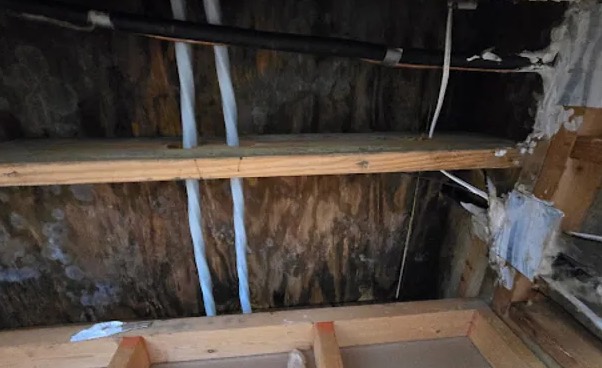
Reliable Attic Water Removal Near Hickory Creek
Attic Water Removal in Hickory Creek is about protecting the ceiling. Water on top of drywall soaks in and adds weight, and wet insulation keeps it soaking long after the leak stops.
In Hickory Creek, Lake Dallas, Highland Village and Corinth, many attic leaks go unnoticed until the ceiling stains. The pros get the water and wet insulation out before the ceiling has to be replaced.
The Attic Water Removal Process in Hickory Creek
Attic Moisture Inspection
Readings are recorded at the start and at each visit, giving a clear drying history for your records and insurer.
Roof Leak Water Removal
A temporary tarp over the damaged section keeps more rain out until the roofer can make a permanent repair.
Ceiling Water Damage Cleanup
Fallen drywall, wet insulation and debris in the room below are cleaned up, and floors and furniture are protected during the work.
Emergency Attic Water Extraction
Water sitting on top of ceiling drywall adds weight fast. Removing it quickly can mean the difference between drying a ceiling and replacing it.
Attic Leak Water Cleanup
Cleanup focuses on the low spots where water collects: the bays between joists, the area around the hatch and the space under an air handler.
When to Consider Attic Water Removal in Hickory Creek
Increased Indoor Humidity Levels
Upstairs rooms that feel sticky or humid may have moisture coming down from the attic.
Peeling Paint on Ceilings or Walls
Paint that peels or blisters on upstairs ceilings and walls often has water behind it.
Visible Mold in Attic Spaces
Dark spots on rafters or roof decking mean the wood has stayed damp for days or longer.
Condensation on Attic Windows or Nails
Damp nail tips or water droplets on attic surfaces point to moisture or ventilation problems.
How Attic Water Removal Works in Hickory Creek
Step 1: Containment and Safety Setup
Power to wet fixtures is shut off and plastic sheeting protects the room below.
Step 2: Roof Leak Water Removal and Cleanout
Rainwater is removed, a tarp is placed over roof damage, and wet debris is cleared.
Step 3: Moisture Evaporation and Attic Drying
Equipment runs on safe footing in the attic, with readings checked each day.
Step 4: Validation of Dry Conditions
Final readings are compared to dry areas to confirm the attic is ready for new insulation.
Frequent Sources of Attic Water Damage in Hickory Creek
Appliance Malfunctions Like Water Heater Leaks
Water heaters located in the attic can leak or fail, flooding the attic floor.
Clogged or Disconnected Gutters
Clogged or loose gutters let water back up under the roof edge and into the soffits.
Burst or Leaking Plumbing Pipes
Supply lines and drain pipes in the attic can crack or burst onto the ceiling.
Roof Leaks From Damaged Shingles
Cracked, missing or lifted shingles let rain reach the decking and drip into the attic.
Attic Water Removal for All Property Types in Hickory Creek
Residential Attic Water Removal
In two-story homes, attic water can run down inside walls to the floor below. Walls under the leak are checked with a meter and dried if needed.
Commercial Attic Water Removal
Flat-roof buildings often have water that travels far before it drips. The path above the ceiling is traced so every wet section is found.
Attic Water Removal vs. DIY: When to Call the Pros
Catching drips with a bucket and moving furniture out of the way is a smart first step. Call local water damage restoration experts if water is pooling in the attic, the ceiling is stained or sagging, or insulation is wet.
Understanding Attic Water Removal Pricing
In Hickory Creek, the biggest costs in attic jobs are usually insulation removal, drying equipment days and ceiling repair in the room below.
Access and Attic Complexity
Low headroom and small access hatches make attic work slower than open spaces.
Extent of Water Damage
A leak confined to one bay costs less than water spread across the attic and the rooms below.
Mold Prevention Measures
Antimicrobial treatment of wood that stayed wet is an added step, priced by area.
Does Insurance Cover Attic Water Removal?
Photos, moisture readings and drying logs from local water damage restoration experts help support an insurance claim for attic water damage in Hickory Creek.
Why Choose Local Pros for Attic Water Removal in Hickory Creek
Post-Cleanup Verification
Final readings confirm the attic is dry before new insulation goes in.
Controlled Demolition Practices
Only wet insulation and drywall are removed, which keeps the repair as small as possible.
24/7 Emergency Response
Help is available day or night when water is coming through the ceiling.
24/7 Emergency Attic Water Removal in Hickory Creek
Water in an attic reaches the ceiling below fast. Call (972) 480-3796 for attic water removal in Hickory Creek at any hour, including storms and holidays.
Call Now (972) 480-3796Communities Served for Attic Water Removal
Nearby areas served for attic water removal include Lake Dallas, Highland Village and Corinth, with the same water removal and drying steps used in Hickory Creek.
Attic Water Removal FAQs
What is involved in attic water removal?
Stopping the source, removing pooled water, bagging wet insulation, drying the framing and decking, and checking the ceiling below.
What does water damaged attic restoration include after drying?
New insulation, any decking or framing repairs, and ceiling drywall replacement and paint in the room below.
What is an attic moisture inspection?
A check of rafters, decking, insulation and the ceiling below with moisture meters and thermal cameras to find all wet areas.
Do I need ceiling water damage cleanup too?
Usually. Water in the attic soaks the ceiling below, which needs to be checked and dried or replaced.
What causes attic water damage?
Roof leaks, plumbing failures, attic AC overflows, water heater leaks, loose bath fan ducts and poor ventilation.