Grand Prairie, TX · Dallas County
Basement Water Extraction in Grand Prairie, TXBasement Carpet Water Removal & Basement Mold Prevention Services
Basement Water Extraction in Grand Prairie runs from basement flood water extraction and basement carpet water removal to emergency basement drying.
Answered 24/7
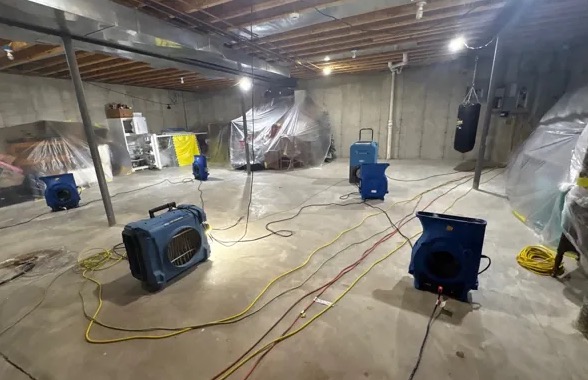
Local Basement Water Extraction Services for Grand Prairie Homes
A flooded basement in Grand Prairie needs safety checks before anyone walks in. Water near outlets, the furnace or the electrical panel can be dangerous.
Basements are uncommon in Grand Prairie. The same extraction and drying steps apply to slab-level rooms, sunken dens and garages that take on water.
Homes in Grand Prairie and nearby Irving, Euless and Duncanville with basements see flooding from storms, plumbing leaks and sewer backups. Help with basement water extraction covers pump-out, carpet and floor extraction and drying of walls and the slab.
Specialized Basement Water Extraction for Grand Prairie Residents
Basement Carpet Water Removal
Carpet soaked with clean water can sometimes be dried and relaid. Carpet touched by sewage or dirty water is removed.
Basement Mold Prevention Services
After drying, an antimicrobial can be applied to studs, sill plates and the slab to slow mold on surfaces that stay in place.
Finished Basement Water Damage Repair
In a finished basement, lower drywall, baseboards and insulation are cut out where wet, and the framing behind them is dried.
Foundation Leak Water Extraction
Foundation leaks often wet the same wall each storm. Extraction and drying fix today's damage, and the leak location is noted for a waterproofing contractor.
Basement Sewage Backup Cleanup
Sewage from a floor drain or basement toilet is extracted with protective gear, and the area is sealed off from the rest of the house.
Warning Signs of a Basement Flood in Grand Prairie
Efflorescence on Foundation Walls
White, powdery deposits on foundation walls mean water is moving through the concrete.
Musty Smell in the Basement
A musty, earthy smell in the basement usually means something down there is staying wet.
Cracked Foundation Walls
Cracks in foundation walls, especially with damp edges, are common entry points for water.
Damp or Wet Carpeting
Carpet that feels damp or cold underfoot is holding water in the pad against the concrete.
How Basement Water Extraction Works in Grand Prairie
Step 1: Initial Flood Water Pump Out
Submersible pumps remove deep water, starting at the lowest point near the floor drain.
Step 2: Material-Specific Water Removal
Carpet, pad, drywall and flooring are each extracted, dried or removed based on readings.
Step 3: Controlled Drying
Dehumidifiers and air movers keep humidity low so walls and concrete can release their water.
Step 4: Final Sanitizing and Odor Control
Remaining surfaces are cleaned, and musty or sewage odors are addressed before repairs.
Common Causes of Basement Flooding in Grand Prairie
Faulty or Leaking Plumbing
Leaking supply lines, drain pipes and water heaters in the basement soak floors and walls.
Poor Exterior Drainage and Grading
Soil that slopes toward the house sends rainwater straight to the foundation.
Sewer Line Backup or Blockage
Tree roots, grease or a collapsed pipe can block the sewer line and push wastewater back up.
Appliance Malfunctions and Overflows
Washers, utility sinks and dehumidifier drains in the basement can overflow or leak.
Basement Water Extraction for Homes and Businesses in Grand Prairie
Residential Basement Water Extraction
Older homes with a basement may have seepage that returns each heavy storm. Extraction handles the current water, and the entry point is noted for a waterproofing contractor.
Commercial Basement Water Extraction
Apartment buildings with shared basements need each storage and laundry area extracted and dried, with records kept for the building manager.
The Risks of DIY Basement Water Extraction in Grand Prairie
A small puddle on bare concrete can be handled with a wet vac and a dehumidifier. Call local water damage pros if water reached carpet, drywall or framing, or if it came up through a drain.
What Affects Basement Water Extraction Cost in Grand Prairie?
Waterproofing or drainage work is a separate cost. In Grand Prairie, it may be needed to keep the basement from flooding again.
Basement Finishes and Materials
Finished basements with carpet, drywall and laminate need more removal than bare concrete.
Necessary Demolition and Removal
Cutting out wet drywall, insulation and flooring adds labor and disposal fees to the job.
Water Source and Category
Clean water costs less to remove than sewage, which needs protective gear and disinfection.
Does Insurance Cover Basement Water Extraction?
Many homeowner policies cover sudden basement water from a burst pipe, but not seepage or groundwater. Sewer backup coverage is often an add-on, so check your policy.
Benefits of Local Pros for Basement Water Extraction in Grand Prairie
Finished Basement Experience
Wet drywall, insulation and flooring in finished spaces are opened up so moisture is not sealed in.
Industry Drying Standards
Extraction and drying follow industry water damage standards, with readings at every visit.
Structural Drying Focus
Walls, framing and the slab are dried, not just the floor surface.
24/7 Emergency Basement Water Extraction in Grand Prairie
Storm night, weekend or holiday, local water damage pros handle flooded basements in Grand Prairie. Call (972) 480-3796 to get the water pumped out quickly.
Call Now (972) 480-3796Basement Water Extraction Available for Properties Throughout Grand Prairie
Help with basement water extraction is also available in communities near Grand Prairie, including Irving, Euless and Duncanville, for flooded basements and sewer backups.
- Basement Water Extraction in Irving
- Basement Water Extraction in Euless
- Basement Water Extraction in Duncanville
- Basement Water Extraction in Bedford
- Basement Water Extraction in Cedar Hill
- Basement Water Extraction in Kennedale
- Basement Water Extraction in Richland Hills
- Basement Water Extraction in Hurst
- Emergency Damage Restoration in 75050
- Storm Damage Restoration in 75050
- Water Damage Restoration in 75050
- Water Extraction Service in 75050
- Water Leak Detection in 75050
- Water Removal Service in 75050
- Emergency Damage Restoration in 75051
- Storm Damage Restoration in 75051
Frequently Asked Questions About Basement Water Extraction
Can basement carpet be saved after water damage?
Sometimes, if the water was clean and removed quickly. The pad is usually replaced, and carpet touched by sewage is removed.
How is basement water damage documented for insurance?
With photos of the water level and damage, moisture readings, removed materials and daily drying logs.
How quickly should I call for basement flood cleanup?
Right away. Water wicks up drywall and soaks framing within hours, and basements dry slowly once materials are wet.
Is mold prevention part of basement water extraction?
Fast drying is the main part. Framing and concrete that stayed wet can be treated with an antimicrobial once dry.
What are the risks of delaying wet basement cleanup?
More drywall, flooring and framing to replace, longer drying times, odors and a higher risk of microbial growth.