Glenn Heights, TX · Dallas County
Bedroom Water Removal in Glenn Heights, TXBedroom Humidity Control & Bedroom Structural Drying
Bedroom Water Removal in Glenn Heights includes ceiling leak water cleanup, water damaged drywall repair and bedroom humidity control.
Answered 24/7
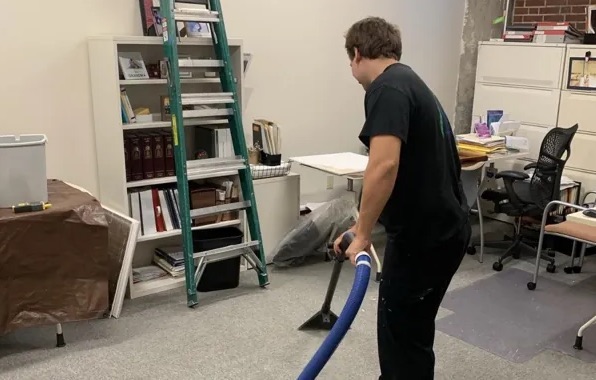
Local Bedroom Water Removal for Glenn Heights Homes
Wet carpet is the most common bedroom water problem in Glenn Heights. Carpet pad soaks up water like a sponge and holds it against the subfloor, where it can stay wet for days.
Homeowners in Glenn Heights can call (972) 480-3796 day or night when water reaches a bedroom. Service also covers Red Oak, Cedar Hill and Lancaster, with the same extraction and drying steps.
Bedroom Water Removal Services in Glenn Heights
Bedroom Humidity Control
Dehumidifiers control moisture in the room during and after drying, which helps walls, carpet and furniture dry evenly.
Bedroom Structural Drying
Air movers and dehumidifiers dry the subfloor, walls and framing, with readings taken daily until each area is back to normal.
Ceiling Leak Water Cleanup
Water dripping from a bedroom ceiling is caught and drained, wet insulation above is removed, and sagging drywall is taken down before it falls.
Bedroom Water Extraction
Bedroom water often comes from a bathroom next door or a leak above. Extraction covers the bedroom, the closet and any hallway the water reached.
Wet Carpet Removal
Carpet pad that soaked up water is cut out and bagged. The carpet itself can often be dried and relaid if the water was clean.
When to Call for Bedroom Water Removal in Glenn Heights
Wet Insulation in Exterior Walls
Cold, damp spots on an exterior wall can mean wet insulation from a leaking pipe or window.
Visible Stains on Ceiling
A brown ring or yellow spot on the bedroom ceiling usually means water is coming from the roof, attic or bathroom above.
Mold or Mildew
Dark spots on walls, carpet backing or closet items mean an area has stayed wet for days.
Damaged Bedroom Flooring
Hardwood that cups or laminate that lifts at the seams has water underneath.
How Bedroom Water Removal Works in Glenn Heights
Step 1: Initial Assessment and Containment
The pros find the leak, move furniture and belongings and protect dry parts of the house.
Step 2: Wet Carpet and Pad Removal
Soaked pad is cut out and carpet is pulled back or removed so the subfloor can dry.
Step 3: Targeted Structural Drying
Airflow is aimed at the subfloor, baseboards and wall cavities where water soaked in.
Step 4: Verification of Dryness
Final readings are compared to dry areas before equipment is removed and repairs begin.
Common Causes of Bedroom Water Damage in Glenn Heights
Sewage Line Backups
A blocked sewer line can back up through a nearby bathroom drain into bedroom carpet.
Faulty Appliance Connections
Washer hoses and water heater lines in a nearby closet can leak under the bedroom wall.
Window Seal Failures
Worn window seals and flashing let rain run into the wall and onto the floor below the window.
Overflowing Bathtubs or Sinks
An overflowing tub or sink in an adjoining bathroom runs under the wall into the bedroom.
Bedroom Water Removal for Homes and Businesses in Glenn Heights
Residential Bedroom Water Removal
In apartments and condos, a bedroom leak can reach the unit below. Fast extraction and clear records help sort out repairs with neighbors and the building.
Commercial Bedroom Water Removal
Assisted living and care facilities need resident bedrooms extracted, dried and cleaned quickly so residents can return safely.
Bedroom Water Damage: DIY Limits and the Pros in Glenn Heights
Do not sleep in a room with a sagging or dripping ceiling. Move out of the room, turn off the light circuit if water is near it and call (972) 480-3796.
What Affects Bedroom Water Removal Pricing in Glenn Heights?
The cost of bedroom water removal in Glenn Heights depends on how much water reached the bedroom, whether carpet and pad must be removed and whether the ceiling got wet.
Extent of Water
A small wet area near one wall costs less to dry than a fully soaked bedroom and closet.
Emergency Response
Night, weekend and holiday calls can cost more than a scheduled weekday visit.
Type of Materials
Carpet and pad, hardwood and drywall each take different work to dry or replace.
Does Insurance Cover Bedroom Water Removal?
Coverage for bedroom water removal depends on the cause and your policy. The pros document the damage and drying, and your insurer decides what is covered.
Why Choose Local Pros for Bedroom Water Removal in Glenn Heights
Moisture Detection Tools
Moisture meters and thermal cameras find water under carpet and inside walls that looks dry.
24/7 Emergency Response
Help is available day or night when a bedroom floods or a ceiling starts dripping.
Industry Drying Standards
Drying follows industry water damage standards, with readings taken at every visit.
24/7 Emergency Bedroom Water Removal in Glenn Heights
Wet carpet and pad soak the subfloor quickly. Call (972) 480-3796 for bedroom water removal in Glenn Heights at any hour, day or night, including holidays.
Call Now (972) 480-3796Local Bedroom Water Removal Coverage for Glenn Heights, Red Oak, Cedar Hill and Lancaster
Besides Glenn Heights, local water removal pros handle flooded bedrooms, wet carpet and stained ceilings in nearby Red Oak, Cedar Hill and Lancaster.
Bedroom Water Removal Common Questions Answered
Why is bedroom mold prevention important after a leak?
Bedrooms are closed spaces where wet carpet and walls dry slowly. Fast drying keeps microbial growth from starting.
What tools are used for bedroom leak detection?
Moisture meters, thermal cameras and sometimes hygrometers to check carpet, walls, closets and the ceiling.
How is a bedroom ceiling leak handled from below?
Water is drained into buckets, sagging drywall is removed, wet insulation above is pulled and the cavity is dried.
What usually causes a bedroom ceiling leak?
Roof leaks, attic AC overflows, bathroom leaks above and burst pipes in the ceiling.
What is involved in bedroom water removal?
Stopping the source, moving belongings, extracting water from carpet and floors, removing wet pad or drywall and drying until readings are normal.