Duncanville, TX · Dallas County
Crawl Space Water Extraction in Duncanville, TXCrawl Space Mold Prevention Treatment & Crawl Space Insulation Removal
Crawl Space Water Extraction in Duncanville runs from flood water pump out and crawl space insulation removal to crawl space vapor barrier repair.
Answered 24/7
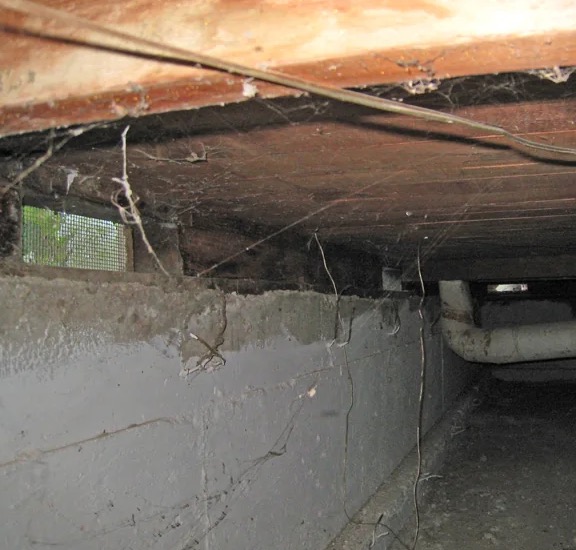
Local Crawl Space Water Extraction for Duncanville Residents
Floodwater leaves more than water in a Duncanville crawl space. Mud, silt and debris settle on the barrier and soil, holding moisture against everything they touch.
In Duncanville, crawl space flooding often follows heavy rain or a plumbing leak under the house. Local crawl space drying experts serve Duncanville, Cedar Hill, Glenn Heights and Grand Prairie, pumping out water and drying the framing.
Crawl Space Water Extraction Process in Duncanville, TX
Crawl Space Mold Prevention Treatment
After drying, an antimicrobial can be applied to joists, beams and subfloor that stayed wet long enough to need it.
Crawl Space Insulation Removal
New insulation is installed only after readings confirm the joists and subfloor are dry.
Flood Water Pump Out
Pumping is done from outside where possible, with hoses run through the access opening to keep equipment out of the water.
Crawl Space Structural Drying
Drying is aimed at the wood framing, since that is what supports the floors and what stays wet longest.
Crawl Space Mud Removal
Floodwater debris such as leaves, trash and loose insulation is bagged and removed along with the mud.
How to Know You Need Crawl Space Water Extraction in Duncanville
Visible Mold on Floor Joists
Dark spots on joists or beams mean the wood under the house has stayed damp for some time.
Damp Smell in Closets
Closets and cabinets along outside walls that smell damp may be over a wet crawl space.
Rotting Wood or Insulation
Wood that is soft, dark or crumbling, or insulation that has fallen, points to long-term water.
Standing Water or Mud
Standing water or mud on the crawl space floor needs pumping and cleanup right away.
How Crawl Space Water Extraction Works in Duncanville
Step 1: Safety and Source Check
Power near the water is made safe, and the source of the flooding is identified.
Step 2: Insulation Removal
Soaked insulation is pulled from between the joists and bagged so the wood can dry.
Step 3: Dehumidification
Dehumidifiers sized for the crawl space run until humidity and wood readings drop.
Step 4: Treatment and Insulation Replacement
Wood that stayed wet can be treated, and new insulation goes in once readings are normal.
Why Crawl Spaces Get Wet in Duncanville
Failed or Missing Vapor Barrier
A torn, loose or missing vapor barrier lets ground moisture rise into the framing.
Cracked or Settled Foundation Walls
Cracks in foundation walls and footings let groundwater seep into the crawl space.
High Water Table or Groundwater
A high water table pushes groundwater up through the soil into the crawl space after wet weather.
HVAC Condensate Drain Overflow
AC condensate lines that drain or leak under the house keep the crawl space wet.
Crawl Space Water Extraction for All Property Types in Duncanville, TX
Residential Crawl Space Water Extraction
Homeowners with ductwork in the crawl space should have it checked after a flood, since wet ducts can spread odors into every room.
Commercial Crawl Space Water Extraction
Property managers with several buildings on crawl spaces get records for each, which helps plan drainage and barrier work.
When to Call the Pros for Crawl Space Water Extraction in Duncanville
Shutting off the main water valve, clearing gutters and taking photos from the opening are safe first steps. Pumping and drying the crawl space needs equipment and protective gear.
Understanding Crawl Space Water Extraction Cost in Duncanville
Tight, low crawl spaces in Duncanville take longer to work in, which can raise the total for pumping and drying.
Access and Space Constraints
Low, tight or partly blocked crawl spaces take longer to work in safely.
Debris and Mud Removal
Shoveling and vacuuming mud and silt after a flood adds labor and disposal costs.
Mold Prevention Treatment
Antimicrobial treatment of joists and subfloor that stayed wet is an added step.
Does Insurance Cover Crawl Space Water Extraction?
Many homeowner policies cover sudden water from a burst pipe under the house but exclude groundwater and outside flooding. Check your policy and call your insurer early.
Why Choose Local Pros for Crawl Space Water Extraction in Duncanville
Industry Extraction Standards
Pumping and drying follow industry water damage standards, with readings at every visit.
Insulation Handling
Wet insulation is bagged and removed carefully, and new insulation goes in after drying.
Moisture Mapping
Readings across the framing and soil show where water collected and what still needs drying.
Round-the-Clock Crawl Space Water Extraction for Duncanville Emergencies
Water under your floors soaks joists and insulation fast. Call (972) 480-3796 for crawl space water extraction in Duncanville at any hour, including holidays.
Call Now (972) 480-3796Local Crawl Space Water Extraction for Duncanville, Cedar Hill, Glenn Heights and Grand Prairie
Need crawl space water extraction outside Duncanville? Service also covers Cedar Hill, Glenn Heights and Grand Prairie, including emergency help after storms.
- Crawl Space Water Extraction in Cedar Hill
- Crawl Space Water Extraction in Glenn Heights
- Crawl Space Water Extraction in Grand Prairie
- Crawl Space Water Extraction in Lancaster
- Crawl Space Water Extraction in Red Oak
- Crawl Space Water Extraction in Highland Park
- Crawl Space Water Extraction in University Park
- Crawl Space Water Extraction in Wilmer
- Emergency Damage Restoration in 75116
- Storm Damage Restoration in 75116
- Water Damage Restoration in 75116
- Water Extraction Service in 75116
- Water Leak Detection in 75116
- Water Removal Service in 75116
- Emergency Damage Restoration in 75137
- Storm Damage Restoration in 75137
Crawl Space Water Extraction FAQs for Duncanville Homeowners
What does crawl space vapor barrier repair involve?
Extracting water from the barrier, drying the soil and framing and replacing torn or missing sections of plastic.
How long does crawl space structural drying take?
Often several days. Readings on the joists and subfloor are taken at each visit until they return to normal.
When is crawl space insulation removal required?
When insulation is soaked, sagging or has fallen. Wet insulation keeps the subfloor damp and must come out for drying.
How is crawl space water damage documented for insurance?
With photos of water and mud levels, moisture readings on the framing, a list of removed materials and drying logs.
How does a crawl space moisture barrier help?
It covers the soil and lower walls, limiting how much ground moisture rises into the framing after drying.