Fate, TX · Rockwall County
Desiccant Dehumidification in Fate, TXEmergency Dehumidification & Firefighting Water Drying
Get desiccant dehumidification in Fate for emergency dehumidification, flood drying services and firefighting water drying.
Answered 24/7
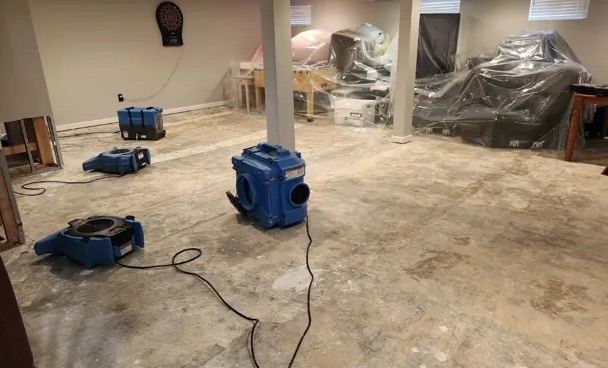
Desiccant Dehumidification Solutions in Fate, Texas
Desiccant dehumidifiers dry air differently from the refrigerant units most people know. Instead of cooling air to condense water, they pass it over a material that absorbs moisture, which lets them keep working in cool spaces and reach very low humidity.
Homes, job sites and commercial buildings in Fate and nearby Royse City, Rockwall and Lavon sometimes need more drying power than standard equipment provides. Help with desiccant dehumidification covers those cases.
Desiccant Dehumidification Options Available in Fate
Emergency Dehumidification
Emergency dehumidification starts as soon as standing water is removed, which limits swelling, warping and odor.
Firefighting Water Drying
After a fire, water used by firefighters soaks walls, floors and ceilings. Desiccant drying helps dry those materials once debris is cleared.
Crawl Space Drying
Water is removed from the crawl space first, then desiccant drying brings humidity down so the framing can dry.
Flood Drying Services
After floodwater is pumped out, desiccant dehumidifiers can bring the air to very low humidity, which pulls moisture out of walls, floors and framing faster.
Mold Prevention Drying
Drying continues until readings on the remaining framing are normal, before walls are closed up again.
Indicators for Desiccant Dehumidification in Your Fate Home
Warped Wood Floors or Trim
Wood floors or trim that cup or warp after a leak are still taking on moisture.
Visible Condensation on Windows
Windows that fog or drip inside show the air holds too much moisture for materials to dry.
Wet Insulation in Attics or Walls
Insulation that is wet in attics or walls holds water against framing and slows drying.
Spongy Drywall or Soft Spots
Drywall that feels soft or spongy has absorbed water and may need removal if it does not dry.
How Desiccant Dehumidification Works in Fate
Step 1: Initial Damage Inspection
Humidity and moisture readings are taken across the affected area to set the drying plan.
Step 2: Deployment of Drying Equipment
Desiccant or standard dehumidifiers and air movers are placed based on the space and readings.
Step 3: Monitored Drying Cycle
Readings are logged daily, and equipment is moved or adjusted as each material dries.
Step 4: Completion and Clearance
Final readings confirm materials are dry, and the space is cleared for repairs.
What Leads to Humidity Damage Needing Desiccant Dehumidification in Fate
Fire Suppression System Activation
Fire sprinklers and firefighting water soak large areas of a building at once.
Foundation Cracks and Seepage
Foundation cracks let groundwater seep into lower levels, keeping walls and floors damp.
Roof Leaks From Damaged Shingles
Roof leaks from damaged shingles soak attic insulation, roof decking and the ceilings below.
Plumbing Leaks or Pipe Bursts
Burst pipes and leaking supply lines soak walls and floors that then need drying.
Desiccant Dehumidification for All Property Types in Fate
Residential Desiccant Dehumidification
In homes, desiccant drying is most often used in crawl spaces and cool lower levels after leaks or floods. Standard units are used in warm rooms where they work well.
Commercial Desiccant Dehumidification
In commercial buildings, high-capacity desiccant units can dry large floors and high-ceiling spaces after sprinkler leaks or floods, with drying planned around business hours.
The Limits of DIY Desiccant Dehumidification in Fate
You can run your own dehumidifier and keep the wet room closed. Drying soaked materials in a crawl space or cool lower level usually needs commercial equipment.
Investing in Desiccant Dehumidification for Fate Properties
The cost of desiccant dehumidification in Fate depends on the size of the wet area, how wet the materials are and how long the equipment needs to run.
Type of Water Damage
Floodwater and sewage need cleaning and removal of materials before drying, which adds cost.
Number of Dehumidifiers
The number and size of dehumidifiers needed for the space is a major part of the cost.
Additional Restoration Steps
Extraction, material removal and cleaning before drying are separate steps that add to the total.
Does Insurance Cover Desiccant Dehumidification?
Many homeowner policies cover drying after sudden water damage, like a burst pipe, but not long-term humidity or groundwater problems. Check your policy and call your insurer early.
Why Choose Local Pros for Desiccant Dehumidification in Fate
Structural Drying
Walls, floors and framing are dried, not just the air in the room.
Desiccant Equipment
Desiccant units are used where they fit, such as cool spaces, crawl spaces and large buildings.
Large Projects
Large buildings and job sites get drying plans that keep work and business moving.
24/7 Desiccant Dehumidification for Fate Emergencies
If the wet area has electrical hazards or sagging ceilings, stay clear and shut off power if it is safe. Then call (972) 480-3796 for help in Fate.
Call Now (972) 480-3796Desiccant Dehumidification Coverage for Fate and Beyond
Help with desiccant dehumidification is also available in communities near Fate, including Royse City, Rockwall and Lavon, for floods, crawl spaces and commercial buildings.
- Desiccant Dehumidification in Royse City
- Desiccant Dehumidification in Rockwall
- Desiccant Dehumidification in Lavon
- Desiccant Dehumidification in Heath
- Desiccant Dehumidification in Wylie
- Desiccant Dehumidification in Rowlett
- Desiccant Dehumidification in Sachse
- Desiccant Dehumidification in Forney
- Emergency Damage Restoration in 75132
- Storm Damage Restoration in 75132
- Water Damage Restoration in 75132
- Water Extraction Service in 75132
- Water Leak Detection in 75132
- Water Removal Service in 75132
Common Desiccant Dehumidification Questions Answered
What equipment is used for commercial building drying?
High-capacity desiccant or refrigerant dehumidifiers, air movers, moisture meters and sometimes ducting to direct dry air.
What does water damage dehumidification include?
Taking readings, placing dehumidifiers and air movers, logging progress daily and confirming materials are dry.
What is the goal of flood drying services?
To remove the moisture left after floodwater is pumped out so the building can be cleaned and repaired.
What happens after desiccant dehumidification is complete?
Final readings are recorded, equipment is removed and the space is ready for repairs or finishes.
How long does crawl space drying typically take?
Often several days, depending on how wet the framing is and how cool and damp the space stays.