Kaufman, TX · Kaufman County
Desiccant Dehumidification in Kaufman, TXWater Damage Dehumidification & Emergency Dehumidification
Get desiccant dehumidification in Kaufman for emergency dehumidification, flood drying services and firefighting water drying.
Answered 24/7
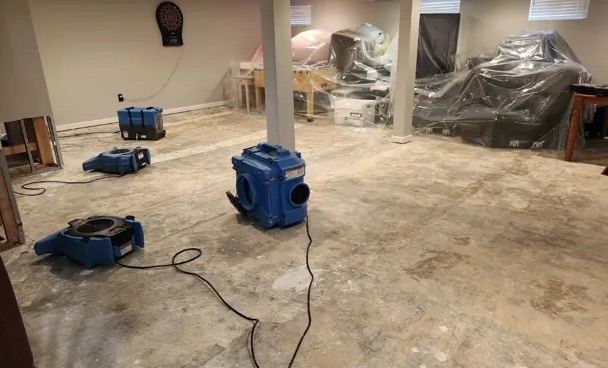
Desiccant Dehumidification: Moisture Control in Kaufman
Desiccant dehumidifiers dry air differently from the refrigerant units most people know. Instead of cooling air to condense water, they pass it over a material that absorbs moisture, which lets them keep working in cool spaces and reach very low humidity.
Homes, job sites and commercial buildings in Kaufman and nearby Crandall, Terrell and Seagoville sometimes need more drying power than standard equipment provides. Help with desiccant dehumidification covers those cases.
Specialized Desiccant Dehumidification in Kaufman, TX
Water Damage Dehumidification
Desiccant or refrigerant dehumidifiers are chosen based on the space, the temperature and how dry the air needs to get.
Emergency Dehumidification
Emergency dehumidification starts as soon as standing water is removed, which limits swelling, warping and odor.
Flood Drying Services
Flood drying pairs desiccant units with air movers aimed at wet materials, with readings taken every day until the structure is dry.
Mold Prevention Drying
Drying continues until readings on the remaining framing are normal, before walls are closed up again.
Crawl Space Drying
Crawl spaces are cool and damp, which suits desiccant units. Dry air is pushed in to pull moisture from the joists and subfloor.
When to Consider Desiccant Dehumidification in Kaufman
Efflorescence on Masonry Surfaces
White, powdery deposits on masonry show water moving through concrete or block.
Peeling Paint or Wallpaper
Paint or wallpaper that peels after a leak has moisture behind it that has not dried.
Warped Wood Floors or Trim
Wood floors or trim that cup or warp after a leak are still taking on moisture.
Active Mold Spots
Dark spots appearing on walls or ceilings mean materials stayed damp long enough for mold.
How Desiccant Dehumidification Works in Kaufman
Step 1: Moisture Mapping
Readings across walls, floors and framing show exactly where moisture remains in the building.
Step 2: Equipment Placement
Dehumidifiers and air movers are placed where the moisture readings are highest.
Step 3: Continuous Moisture Extraction
Drying runs until the wettest areas match the rest of the building.
Step 4: Confirmation and Reporting
A report shows the starting and final moisture readings for each area that was dried.
Sources of Moisture Requiring Desiccant Dehumidification in Kaufman
HVAC System Condensation Issues
Clogged AC drain lines overflow into attics, closets and the ceilings below them.
Appliance Malfunctions and Overflows
Washers, dishwashers and water heaters that leak leave wet floors, cabinets and walls.
Plumbing Leaks or Pipe Bursts
Burst pipes and leaking supply lines soak walls and floors that then need drying.
Fire Suppression System Activation
Fire sprinklers and firefighting water soak large areas of a building at once.
Desiccant Dehumidification for All Property Types in Kaufman
Residential Desiccant Dehumidification
In homes, desiccant drying is most often used in crawl spaces and cool lower levels after leaks or floods. Standard units are used in warm rooms where they work well.
Commercial Desiccant Dehumidification
In commercial buildings, high-capacity desiccant units can dry large floors and high-ceiling spaces after sprinkler leaks or floods, with drying planned around business hours.
Desiccant Dehumidification vs. DIY: When to Call the Pros
Opening windows only helps on dry, breezy days. Commercial dehumidifiers keep drying no matter what the weather outside is doing, which makes them more reliable.
Desiccant Dehumidification Cost in Kaufman, TX
Large commercial buildings and construction sites in Kaufman may need high-capacity units and ducting, which affects the total.
Number of Dehumidifiers
The number and size of dehumidifiers needed for the space is a major part of the cost.
Additional Restoration Steps
Extraction, material removal and cleaning before drying are separate steps that add to the total.
Time of Response
Night, weekend and holiday setup can cost more than a scheduled weekday visit.
Does Insurance Cover Desiccant Dehumidification?
Insurers often want proof that drying was needed and that it worked. Starting and final moisture readings from the job show both.
Selecting Local Pros for Desiccant Dehumidification in Kaufman, Texas
Prevention of Mold
Fast, complete drying is one of the main ways to keep mold from starting after water damage.
Desiccant Equipment
Desiccant units are used where they fit, such as cool spaces, crawl spaces and large buildings.
Post-Flood Drying
Floodwater cleanup is followed by drying that continues until readings are normal.
Emergency Desiccant Dehumidification Response for Kaufman
Crawl space or lower level wet after a storm? Call (972) 480-3796 now for desiccant dehumidification in Kaufman before the framing stays damp.
Call Now (972) 480-3796Desiccant Dehumidification Near Kaufman: Areas Served
Drying after water damage also covers homes, job sites and businesses in Crandall, Terrell and Seagoville, close to Kaufman.
- Desiccant Dehumidification in Crandall
- Desiccant Dehumidification in Terrell
- Desiccant Dehumidification in Seagoville
- Desiccant Dehumidification in Forney
- Desiccant Dehumidification in Wills Point
- Desiccant Dehumidification in Balch Springs
- Desiccant Dehumidification in Wilmer
- Desiccant Dehumidification in Sunnyvale
- Emergency Damage Restoration in 75142
- Storm Damage Restoration in 75142
- Water Damage Restoration in 75142
- Water Extraction Service in 75142
- Water Leak Detection in 75142
- Water Removal Service in 75142
Desiccant Dehumidification Information: Your Questions
How long does crawl space drying typically take?
Often several days, depending on how wet the framing is and how cool and damp the space stays.
How is emergency dehumidification different from standard service?
It starts right after a leak or flood, any time of day, so materials do not keep soaking up moisture.
What equipment is used for commercial building drying?
High-capacity desiccant or refrigerant dehumidifiers, air movers, moisture meters and sometimes ducting to direct dry air.
What happens after desiccant dehumidification is complete?
Final readings are recorded, equipment is removed and the space is ready for repairs or finishes.
Why use desiccant drying after a fire?
Firefighting water soaks large areas, and high-capacity drying helps remove that moisture once debris is cleared.