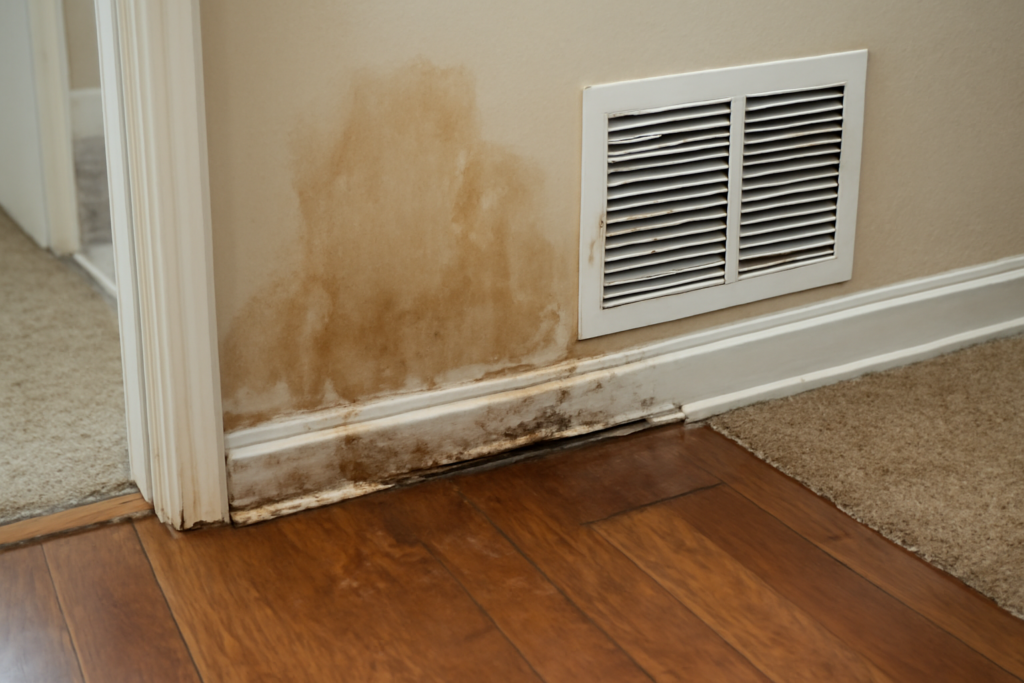
HVAC Leak Water Removal in Duncanville, TX
Trusted by 155+ Homeowners
Don’t Let Water-Damaged Ducts Ruin Your Duncanville, TX Home This Summer
Summer in Duncanville, TX can be brutal, with temperatures often soaring above 100°F. But did you know that your home’s air conditioning system is more than just a source of cool air? It’s also a complex network of ducts, vents, and other parts that can be vulnerable to water damage. When these systems fail, they can leak water onto your floors, walls, and ceilings, causing costly repairs and potential health hazards. That’s where our team comes in, we’re here to help you prevent, detect, and repair HVAC leak water damage before it’s too late.
Our customers rave about our IICRC-certified technicians and our commitment to customer satisfaction. With over 165+ five-star reviews, you can trust that we’ll treat your property with the respect and care it deserves. So why wait? Choose the best team for the job and let us help you restore your home to its former glory.
- We use specialized equipment to detect hidden water damage and prevent further destruction.
- We work quickly to remove standing water and dry out your affected areas, reducing the risk of mold and mildew growth.
- We’ll help you prevent future leaks by identifying and fixing any underlying issues with your HVAC system.
How We Remove Water from Your HVAC System in Duncanville, TX
Our team’s process for HVAC leak water removal is designed to be efficient, effective, and minimally invasive. We’ll work with you to understand the scope of the damage and create a customized plan to get your home back in order.
Step 1: Assessment and Planning
Our technicians will arrive at your home, equipped with the latest technology to detect and diagnose the source of the leak. We’ll work with you to create a plan to remove the water, dry out the affected areas, and prevent future leaks. Expect a quick and thorough assessment and get a clear understanding of what to expect from our team.
Step 2: Water Removal
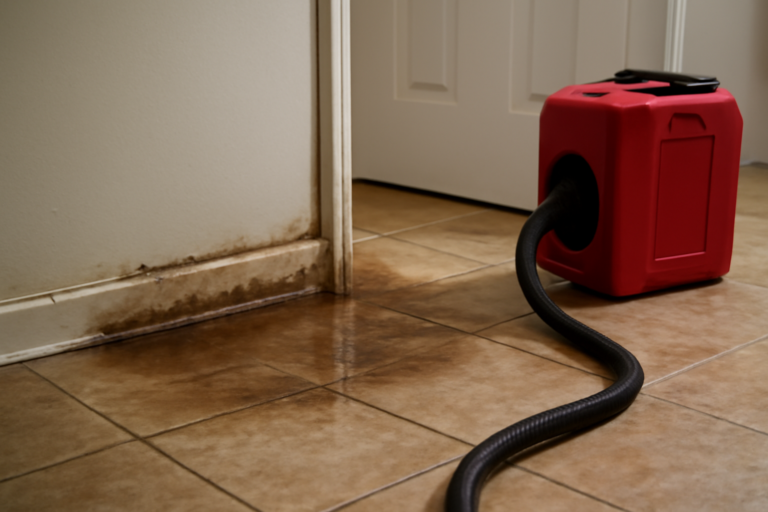
Using specialized equipment, our technicians will carefully remove the standing water from your home, taking care to avoid further damage or disruption. We’ll work quickly and efficiently to reduce the risk of mold and mildew growth, and get your home back to a safe, dry state.
Step 3: Drying and Dehumidification
Once the water has been removed, our team will use specialized equipment to dry out the affected areas, preventing further damage and reducing the risk of mold and mildew growth. We’ll monitor the drying process closely to ensure that your home is completely dry and safe to occupy.
Step 4: Repair and Cleanup
Finally, our technicians will work with you to repair any damage to your HVAC system, including replacing any damaged parts or repairing any leaks. We’ll leave your home looking and feeling like new and ensure that your HVAC system is functioning safely and efficiently.
Don’t wait until it’s too late, act quickly to prevent further damage and trust our team to get the job done right.
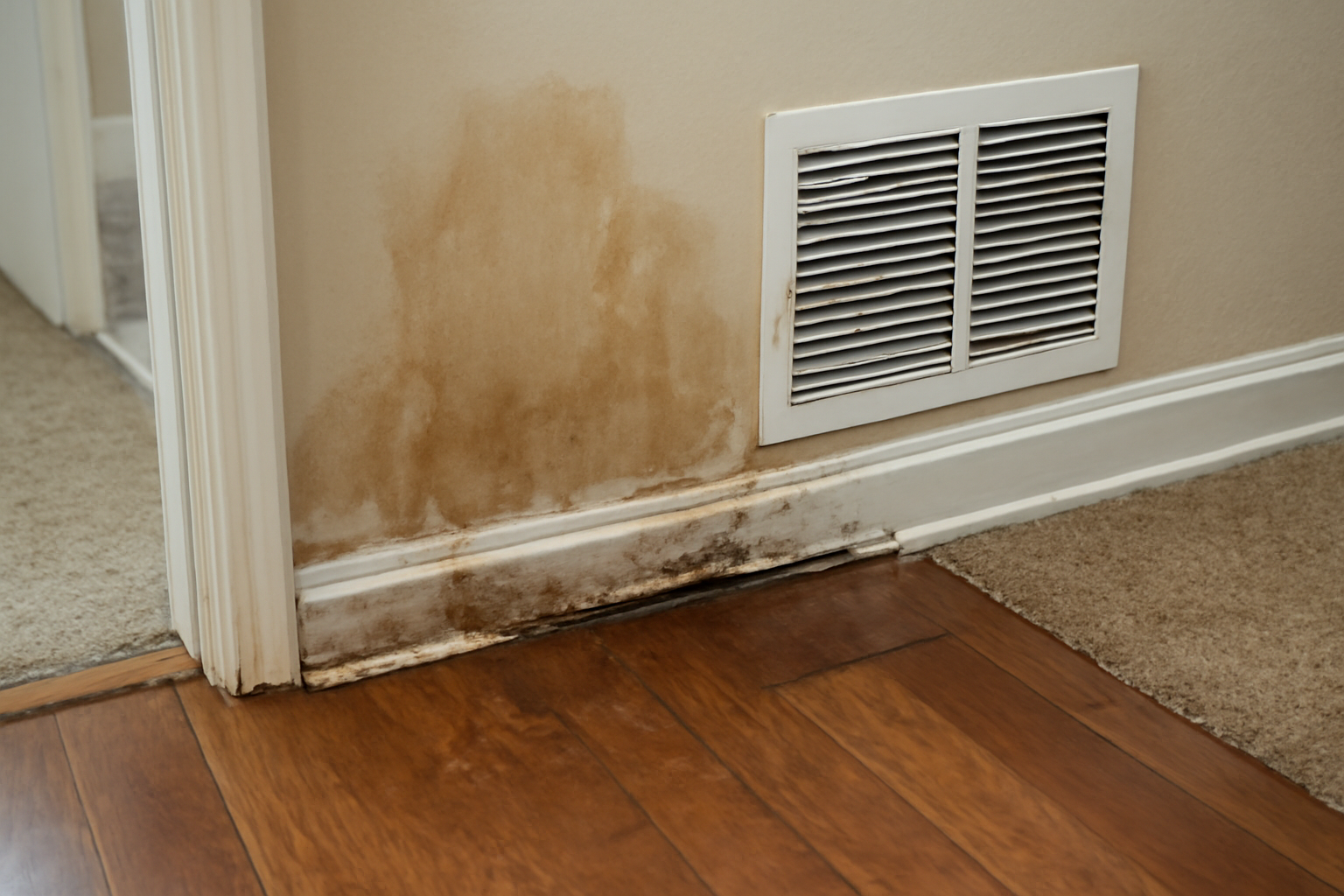
Warning Signs You Need HVAC Leak Water Removal
Don’t ignore these warning signs, they can save you money, prevent bigger problems, and keep your home safe and healthy.
Musty Odors That Won’t Go Away
If you notice a persistent, unpleasant odor in your home that just won’t go away, it may be a sign of water damage. Don’t ignore it, it could be a sign of mold or mildew growth which can pose serious health risks.
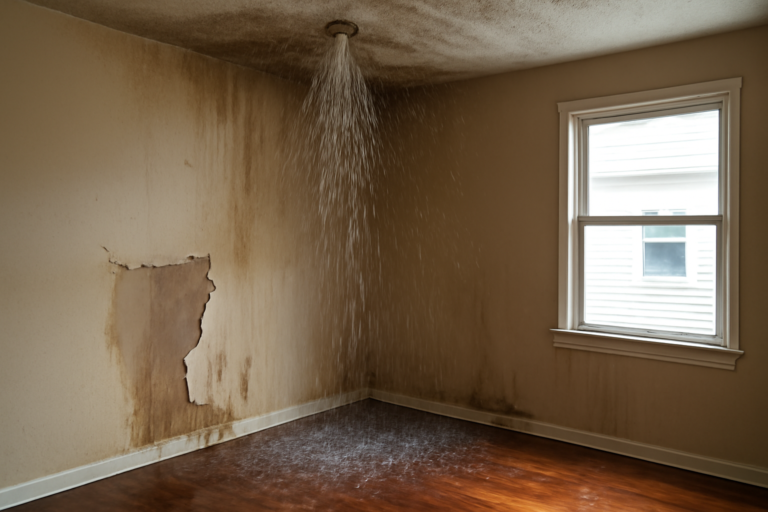
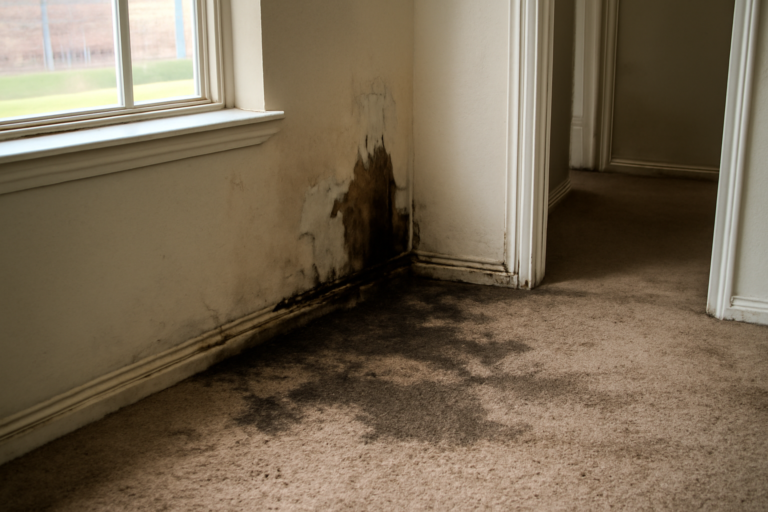
Water Stains or Discoloration on Ceilings or Walls
Water stains or discoloration on your ceilings or walls can be a sign of a leak in your HVAC system. Don’t wait, address the issue quickly to prevent further damage.
Unusual Noises or Humming Sounds from Your HVAC System
Unusual noises or humming sounds from your HVAC system can be a sign of a problem with your system’s parts. Don’t ignore it, it could be a sign of a more serious issue such as a leak or a malfunctioning part.
High Utility Bills or Inconsistent HVAC Performance
If you notice a sudden increase in your utility bills or inconsistent performance from your HVAC system, it may be a sign of a leak or other issue. Don’t ignore it, it could be a sign of a more serious problem that needs prompt attention.
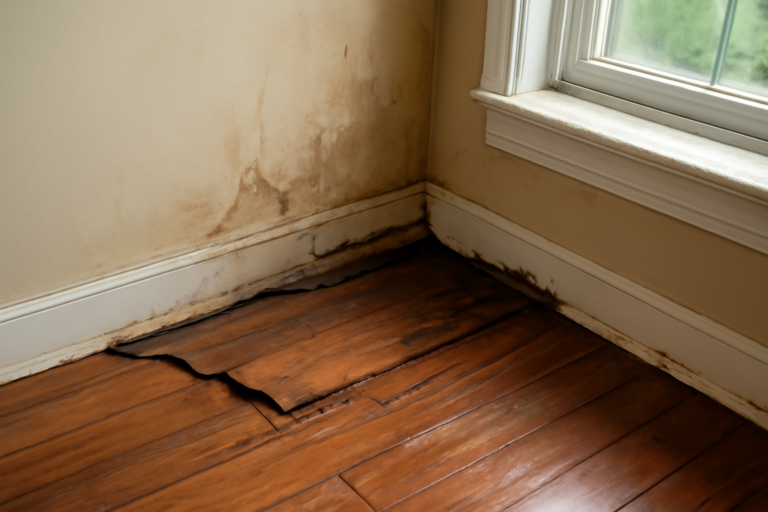
Warped or Buckled Flooring or Walls
Warped or buckled flooring or walls can be a sign of water damage or a leak in your HVAC system. Don’t wait, address the issue quickly to prevent further damage.
Visible Signs of Moisture or Water Damage
Visible signs of moisture or water damage, such as water spots or mineral deposits, can be a sign of a leak in your HVAC system. Don’t ignore it, it could be a sign of a more serious issue that needs prompt attention.
HVAC Leak Water Removal vs. DIY: When To Call a Professional
| Situation | DIY? | Call a Pro? | Why |
|---|---|---|---|
| You notice a small leak in your HVAC system and think you can fix it yourself. | Yes | No | You’re likely to cause more damage and increase the risk of further problems. |
| You notice a large leak in your HVAC system and are unsure of how to fix it. | No | Yes | You need expert help to prevent further damage and ensure your home is safe and healthy. |
| You notice water damage or discoloration on your ceilings or walls and are unsure of the cause. | No | Yes | You need expert help to diagnose and fix the issue quickly and effectively. |
| You notice high utility bills or inconsistent performance from your HVAC system and are unsure of the cause. | No | Yes | You need expert help to diagnose and fix the issue quickly and effectively. |
| You notice warped or buckled flooring or walls and are unsure of the cause. | No | Yes | You need expert help to diagnose and fix the issue quickly and effectively. |
| You notice visible signs of moisture or water damage and are unsure of the cause. | No | Yes | You need expert help to diagnose and fix the issue quickly and effectively. |
Don’t risk further damage or health hazards, call a professional for expert help with HVAC leak water removal.
HVAC Leak Water Removal Cost in Duncanville, TX
The cost of HVAC leak water removal in Duncanville, TX can vary depending on the severity and size of the affected area, as well as the local conditions in your neighborhood. Expect to pay anywhere from $500 to $2,500 or more depending on the extent of the damage and the complexity of the repair.
| Service | Typical Price Range | What Affects Cost |
|---|---|---|
| Water Removal and Drying | $500 – $2,000 | The size of the affected area, the amount of standing water, and the complexity of the removal process. |
| Repair and Replacement of Damaged Parts | $200 – $1,000 | The type and quality of the replacement parts, as well as the complexity of the repair. |
| Dehumidification and Moisture Control | $100 – $500 | The size of the affected area, the level of moisture, and the complexity of the dehumidification process. |
| Inspection and Testing | $50 – $200 | The complexity of the inspection and testing process, as well as the type and quality of the equipment used. |
| Permitting and Inspections | $50 – $200 | The type and complexity of the work required, as well as the local regulations and permitting requirements. |
| Final Inspection and Cleanup | $100 – $500 | The size of the affected area, the level of cleanup required, and the complexity of the final inspection process. |
Exact pricing will depend on an on-site assessment, and we offer free estimates to help you understand the costs involved. Don’t wait, contact us today to schedule your appointment and get the help you need.
Service Areas Near Duncanville, TX
Our team serves the following nearby communities:
Arlington, TX, Bedford, TX, Colleyville, TX, Crowley, TX, Euless, TX, Flower Mound, TX, Fort Worth, TX, Grapevine, TX, Haltom City, TX, Hurst, TX, Irving, TX, Keller, TX, Lake Arlington, TX, Mansfield, TX, North Richland Hills, TX, Richland Hills, TX, Southlake, TX, Watauga, TX, Westlake, TX, White Settlement, TX, and more.
Common Questions About HVAC Leak Water Removal
Q: Is HVAC leak water removal typically covered by insurance?
A: Yes, many insurance policies cover HVAC leak water removal but the specifics will depend on your policy and the circumstances of the damage. We’ll work with you and your insurance company to ensure that you receive the compensation you deserve.
Q: How long does the repair process typically take?
A: The repair process can take anywhere from 3-5 days depending on the severity and complexity of the damage. We’ll work with you to create a customized plan to get your home back in order.
Q: Is it safe to stay in my home while the repair process is underway?
A: It’s generally safe to stay in your home but we’ll work with you to create a plan to reduce any health risks or discomfort. We’ll also ensure that your home is safe and healthy when we’re finished.
Q: Can I prevent HVAC leak water damage from happening in the first place?
A: Yes, there are many steps you can take to prevent HVAC leak water damage including regular maintenance, inspections, and testing. We’ll work with you to create a customized plan to keep your home safe and healthy.
Q: What happens if I ignore the signs of HVAC leak water damage?
A: Ignoring the signs of HVAC leak water damage can lead to bigger problems including mold and mildew growth, structural damage, and even health hazards. Don’t wait, address the issue quickly and effectively.
Check Our Other Relevant Services
Serving Duncanville, TX And Nearby Areas