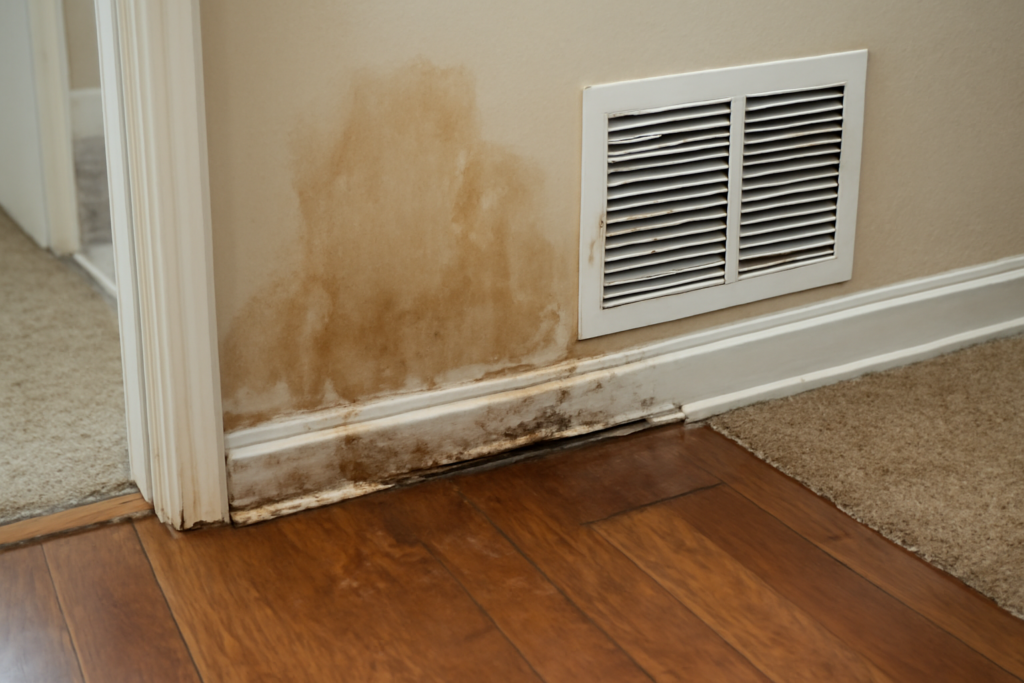
HVAC Leak Water Removal in Saginaw, TX
Trusted by 155+ Homeowners
Hidden Dangers in Your HVAC System: The Shocking Truth About Leak Water Removal in Saginaw, TX
Did you know that up to 40% of water damage claims in the US are caused by hidden leaks in HVAC systems? It’s a staggering statistic that highlights the importance of addressing these issues quickly. As a homeowner in Saginaw, TX, you’re not alone in facing this challenge. Our team has seen firsthand the devastating effects of delayed action, with costs soaring from a few hundred dollars to tens of thousands. Don’t let water damage ruin your day. Act fast. Get it done right.
With over 165+ five-star reviews, our team has earned the trust of local homeowners for our expertise in HVAC Leak Water Removal. We know that when you’re dealing with water damage, you need a partner who understands the intricacies of insurance claims and the importance of timely action. That’s why our technicians are IICRC-certified and dedicated to delivering exceptional results. Trust us to handle your water damage claim. We’ll guide you through the process. We’ll get you back to normal life.
- Expert water damage assessment and documentation for insurance claims
- Efficient and effective water removal using state-of-the-art equipment
- Thorough drying and dehumidification to prevent secondary damage and mold growth
The Science Behind Our HVAC Leak Water Removal Process
Our team’s process for HVAC Leak Water Removal is designed to be both effective and efficient. We know that when you’re dealing with water damage, every minute counts. That’s why we’ll arrive on-site within 60 minutes of your call, equipped with the latest technology to assess the damage and develop a customized plan. Our technicians will then work tirelessly to extract water, dry the affected area, and prevent secondary damage. We’ll get it done fast. We’ll do it right.
Step 1: Assessment and Planning
Our team will arrive on-site to assess the damage and develop a customized plan. This includes identifying the source of the leak, evaluating the extent of the damage, and determining the best course of action. We’ll get to the root of the problem. We’ll find the source. We’ll stop the leak.
Step 2: Water Extraction
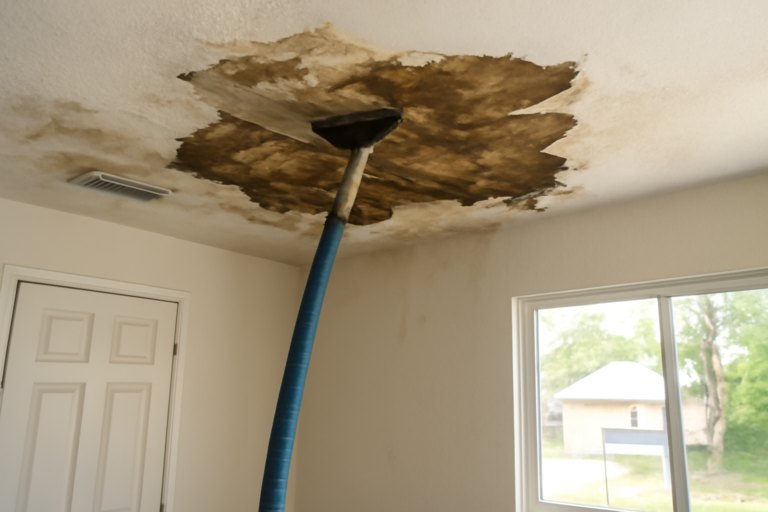
Using state-of-the-art equipment, our technicians will extract water from the affected area. This includes using powerful pumps and wet vacuums to remove water quickly and efficiently. We’ll get the water out. We’ll dry the area.
Step 3: Drying and Dehumidification
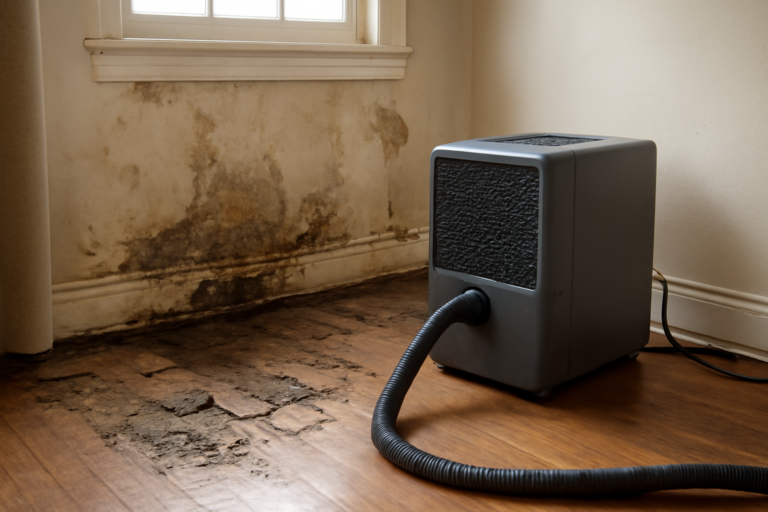
Next, our team will focus on drying and dehumidifying the affected area. This includes using specialized equipment to remove excess moisture and prevent secondary damage. We’ll dry the area. We’ll prevent mold growth.
Step 4: Cleaning and Disinfection
Finally, our technicians will clean and disinfect the affected area to prevent the growth of mold and bacteria. This includes using specialized cleaning solutions and equipment to ensure a thorough job. We’ll leave your home clean. We’ll leave your home safe.
Step 5: Final Inspection and Reporting
Once the job is complete, our team will conduct a final inspection to ensure that the area is dry and safe. We’ll also provide a detailed report of the work completed, including before-and-after photos and a list of any materials used. We’ll leave you with peace of mind. We’ll leave you with confidence.
Don’t wait any longer to address your HVAC leak water removal needs. Contact us today to schedule a free estimate and let our team get to work on restoring your home to its former glory. Act now. Get it done. Get back to normal life.
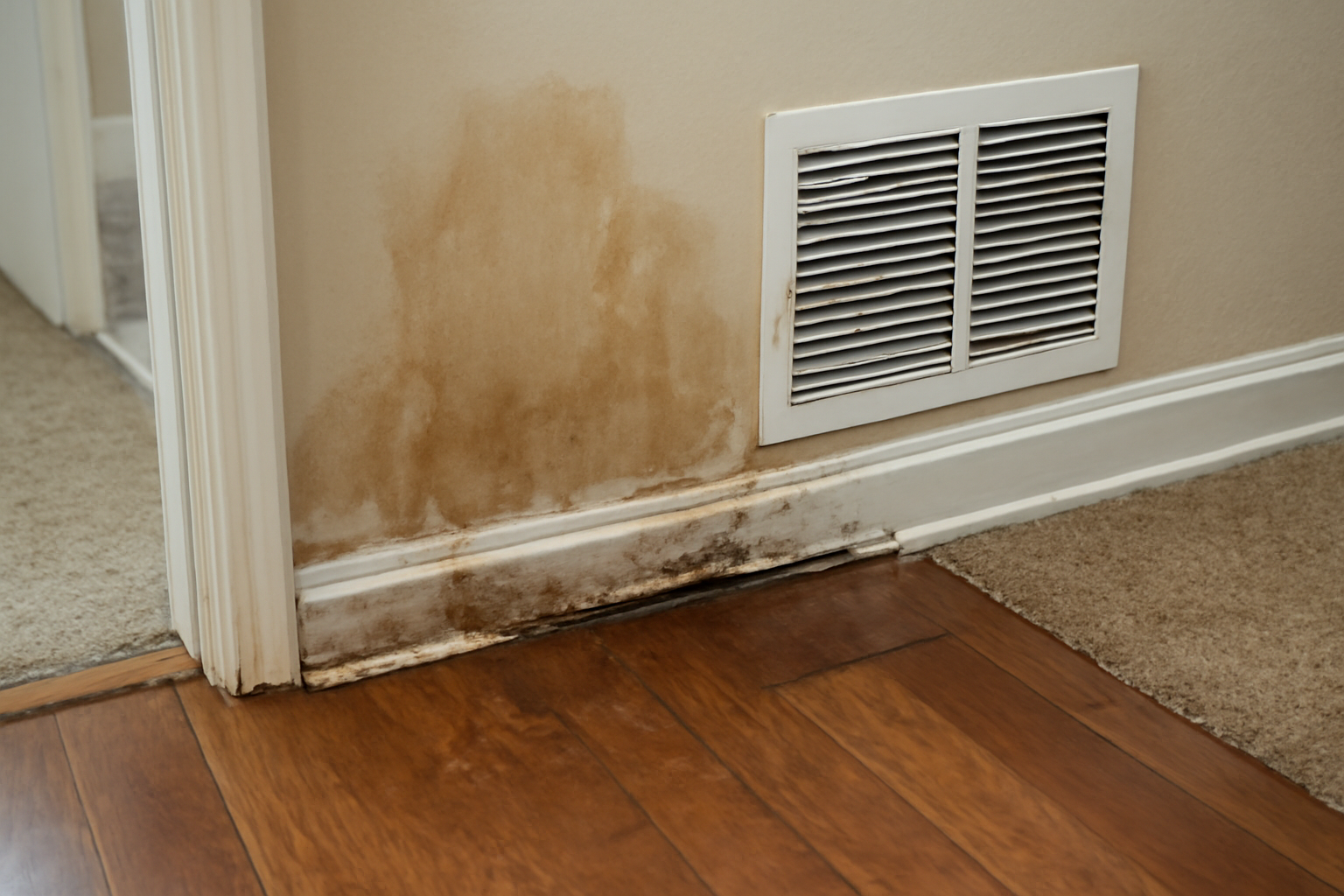
Warning Signs You Need HVAC Leak Water Removal
Beware of these warning signs that show you need HVAC leak water removal services: Don’t ignore these signs. Act fast.
Musty Odors That Won’t Go Away
Are you noticing a persistent musty smell in your home? This could be a sign of hidden water damage in your HVAC system. Don’t ignore the smell. Investigate the source.
Water Stains on Your Ceiling or Walls
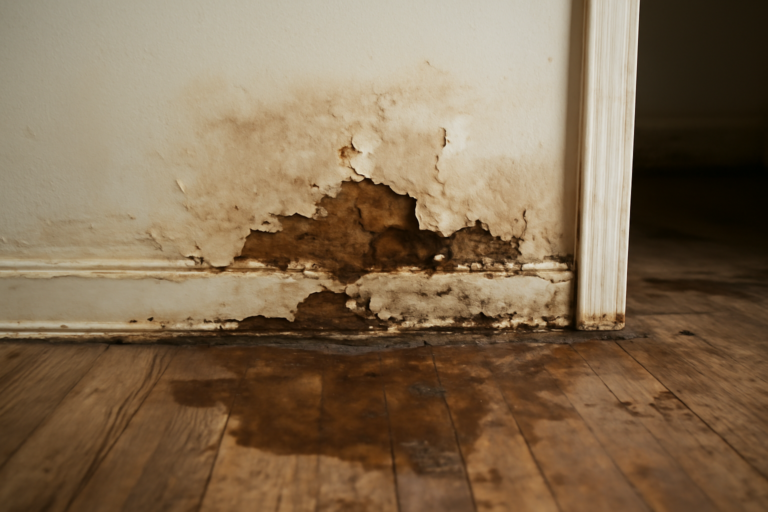
Have you noticed water stains on your ceiling or walls? This could be a sign of a leak in your HVAC system. Don’t ignore the stains. Address the issue.
Unexplained Dampness or Moisture
Are you experiencing unexplained dampness or moisture in your home? This could be a sign of hidden water damage in your HVAC system. Don’t ignore the dampness. Investigate the source.
High Utility Bills
Are your utility bills higher than usual? This could be a sign of a leak in your HVAC system. Don’t ignore the bills. Investigate the issue.
Visible Water Leaks
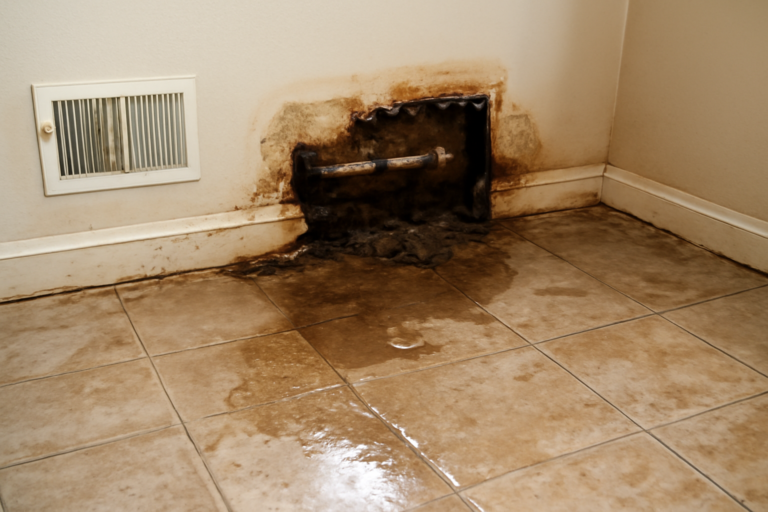
Have you noticed visible water leaks in your home? This is a clear sign that you need HVAC leak water removal services. Don’t ignore the leak. Act fast.
Mold Growth
Have you noticed mold growth in your home? This is a sign of hidden water damage in your HVAC system. Don’t ignore the mold. Address the issue.
HVAC Leak Water Removal vs. DIY: When To Call a Professional
| Situation | DIY? | Call a Pro? | Why |
|---|---|---|---|
| Visible water leaks | No | Yes | Hidden damage can lead to costly repairs and health risks. |
| High utility bills | Maybe | Yes | A leak can cause significant energy losses and damage to your HVAC system. |
| Mold growth | No | Yes | Mold can cause serious health issues and need specialized cleaning and disinfection. |
| Unexplained dampness or moisture | Maybe | Yes | Hidden water damage can lead to structural issues and costly repairs. |
| Water stains on your ceiling or walls | No | Yes | Hidden water damage can cause significant structural damage and health risks. |
| Musty odors that won’t go away | Maybe | Yes | Hidden water damage can cause significant health issues and need specialized cleaning and disinfection. |
Don’t risk your health and safety by trying to tackle HVAC leak water removal on your own. Contact our team today to schedule a free estimate and let us handle the job from start to finish. Act now. Get it done. Get back to normal life.
HVAC Leak Water Removal Cost in Saginaw, TX
The cost of HVAC leak water removal in Saginaw, TX can vary depending on the severity of the damage, the size of the affected area, and local conditions. Our team offers competitive pricing and flexible financing options to fit your budget. We’ll work with you to find a solution. We’ll get it done.
| Service | Typical Price Range | What Affects Cost |
|---|---|---|
| Water extraction | $500 – $2,500 | Size of affected area, severity of damage, and equipment needed |
| Drying and dehumidification | $1,000 – $5,000 | Size of affected area, severity of damage, and equipment needed |
| Cleaning and disinfection | $500 – $2,000 | Size of affected area, severity of damage, and equipment needed |
| Inspection and reporting | $200 – $1,000 | Size of affected area and complexity of the job |
| Permits and inspections | $500 – $2,000 | Local regulations and permit requirements |
| Emergency services (after hours) | $1,000 – $5,000 | Severity of damage and equipment needed |
Don’t wait any longer to address your HVAC leak water removal needs. Contact our team today to schedule a free estimate and let us handle the job from start to finish. Act now. Get it done. Get back to normal life.
Service Areas Near Saginaw, TX
We serve the following nearby communities: Coppell, Euless, Flower Mound, Grapevine, Haltom City, Hurst, Irving, Keller, Colleyville, Bedford, Richland Hills, North Richland Hills, Watauga, Westlake, Southlake, Roanoke, Denton, Lewisville, Carrollton, The Colony, and more.
Common Questions About HVAC Leak Water Removal
How long will it take to complete the job?
Our team will work tirelessly to complete the job as quickly as possible, often within 24-48 hours. But, the exact timeline will depend on the severity of the damage and the size of the affected area. We’ll work with you to find a solution. We’ll get it done.
Will my insurance cover the cost?
Yes, many insurance policies cover the cost of HVAC leak water removal. Our team will work with you and your insurance company to ensure that the damage is properly documented and the claim is processed smoothly. We’ll guide you through the process. We’ll get you back to normal life.
Is mold growth a common issue in HVAC systems?
Yes, mold growth is a common issue in HVAC systems, especially when water damage is present. Our team will use specialized equipment and techniques to remove mold and prevent its growth. We’ll leave your home clean. We’ll leave your home safe.
Can I do the job myself?
No, we strongly advise against trying to tackle HVAC leak water removal on your own. The job needs specialized equipment, training, and expertise to ensure that the damage is properly addressed and the risk of secondary damage is minimized. Don’t risk your health and safety. Call a pro.
How do I prevent water damage in my HVAC system?
Regular maintenance, including inspecting and replacing worn-out parts, is key to preventing water damage in your HVAC system. Our team can provide guidance on how to maintain your system and prevent water damage. We’ll help you prevent water damage. We’ll keep your home safe.
Check Our Other Relevant Services
Serving Saginaw, TX And Nearby Areas