Trusted by 155+ Homeowners
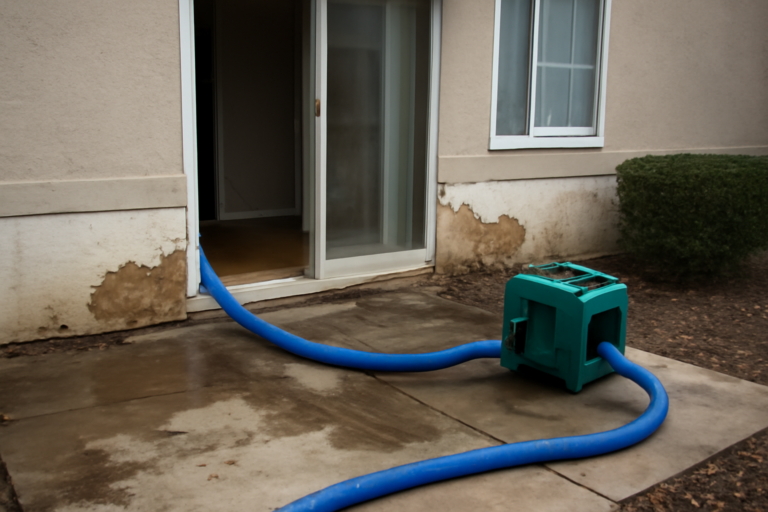
HVAC Leak Water Removal in Wylie, TX
- Over 155 5-Star Reviews
- Free Estimates and Quotes
- 100% Satisfaction Guaranteed
- Child, Family & Pet Safe Steps
- 24-Hour Emergency Service
- Fully Licensed & Insured
HVAC Leak Water Removal in Wylie, TX: What You Need to Know
In Wylie, TX, summers are hot and humid, with temperatures often reaching over 100°F. This heat, combined with the high humidity, can cause your HVAC system to work overtime, increasing the risk of leaks and water damage. If you’re experiencing issues with your HVAC system, it’s essential to address them quickly to prevent further damage to your property. Our team has seen firsthand the devastating effects of neglected HVAC leaks, and we’re here to help you prevent them.
With over 165 five-star reviews, our team is the go-to choice for homeowners in the area who need reliable and efficient HVAC leak water removal services. We’ve helped countless families in Wylie, TX, and surrounding areas, and we’re confident we can do the same for you.
- Prevent costly repairs by addressing leaks quickly.
- Reduce damage to your property and belongings.
- Ensure a safe living space by removing standing water and fixing leaks.
How We Remove Water from Your HVAC System
Our process for HVAC leak water removal is designed to be efficient, effective, and minimally invasive. We’ll work closely with you to understand the scope of the issue and develop a customized plan to address it. Our technicians are IICRC certified and equipped with the latest technology to ensure your property is restored to its original condition.
Step 1: Inspection and Assessment
Identify the source of the leak and assess the extent of the damage. Our technicians will use specialized equipment to detect moisture and assess the situation.
Step 2: Leak Repair and Water Removal
Fix the leak and remove standing water using industrial-grade pumps and drying equipment. We’ll work efficiently to reduce downtime and get your HVAC system back online as quickly as possible.
Step 3: Drying and Dehumidification
Remove excess moisture from the air and surrounding areas using dehumidifiers and fans. This helps prevent further damage and promotes a safe living environment.
Step 4: Cleaning and Sanitizing
Thoroughly clean and sanitize all affected areas, including surfaces, carpets, and upholstery, to prevent mold and bacterial growth.
Step 5: Final Inspection and Testing
Verify the leak is fixed and the area is dry and safe. We’ll also test your HVAC system to ensure it’s working efficiently and effectively.
Don’t wait until it’s too late. Contact us today to schedule your HVAC leak water removal service and take the first step towards a safe and dry living space.
Warning Signs You Need HVAC Leak Water Removal
Ignoring the warning signs of an HVAC leak can lead to costly repairs, damage to your property, and even health risks. Be on the lookout for these common signs:
Musty Odors That Won’t Go Away
Don’t ignore musty smells in your home. They can show moisture buildup and potential mold growth.
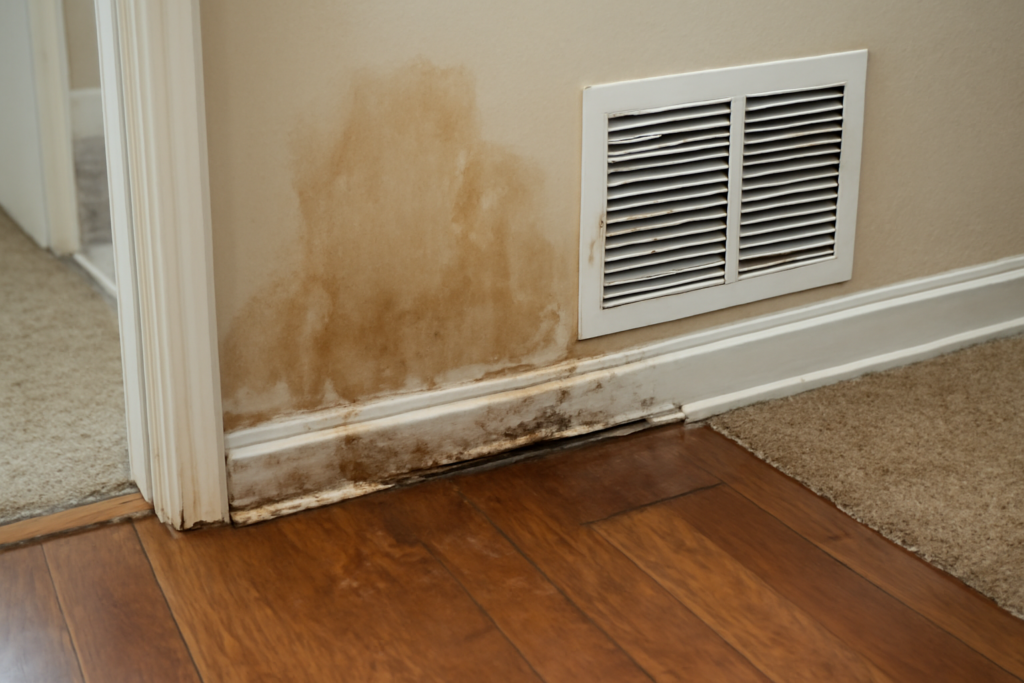
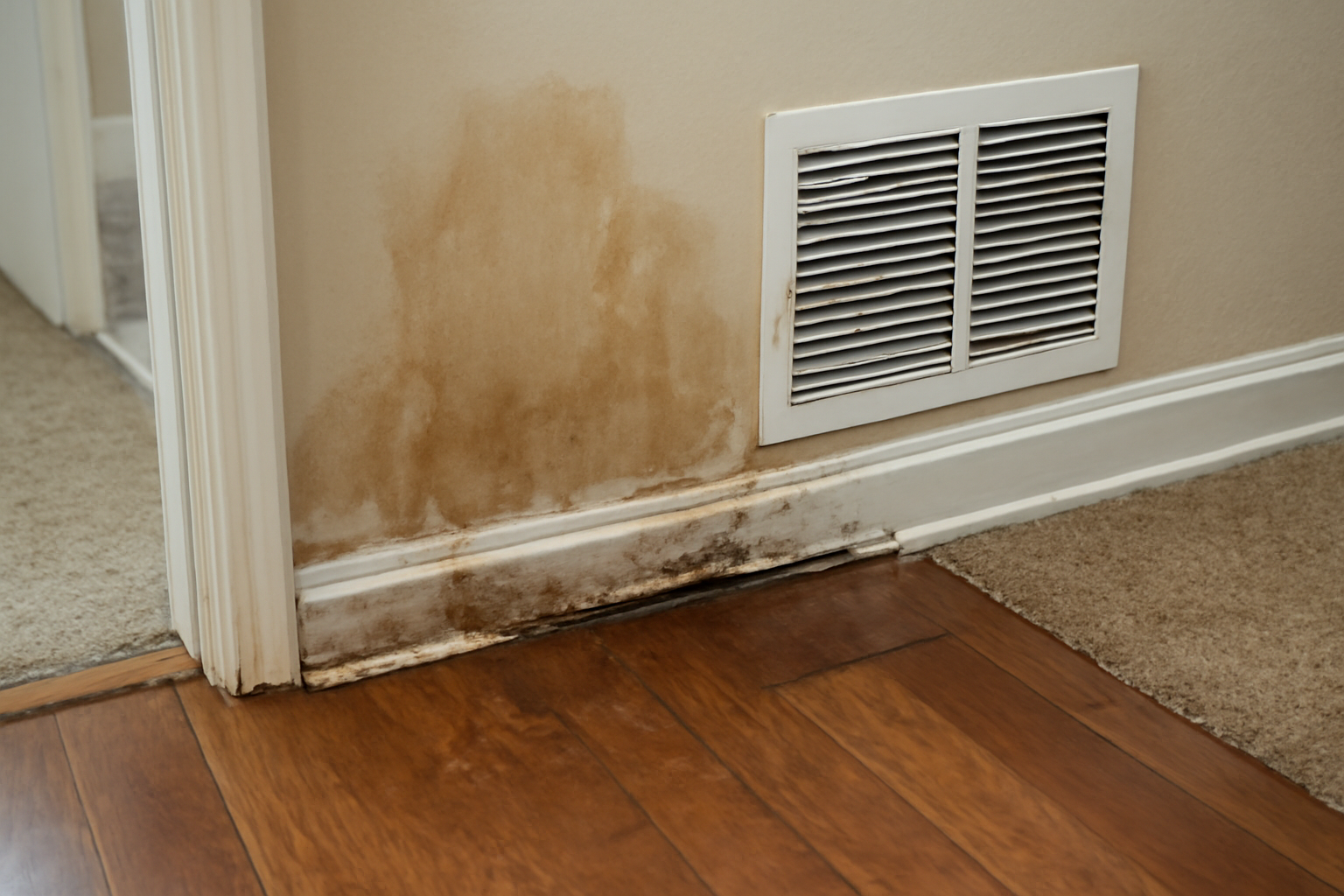
Water Stains on Ceilings or Walls
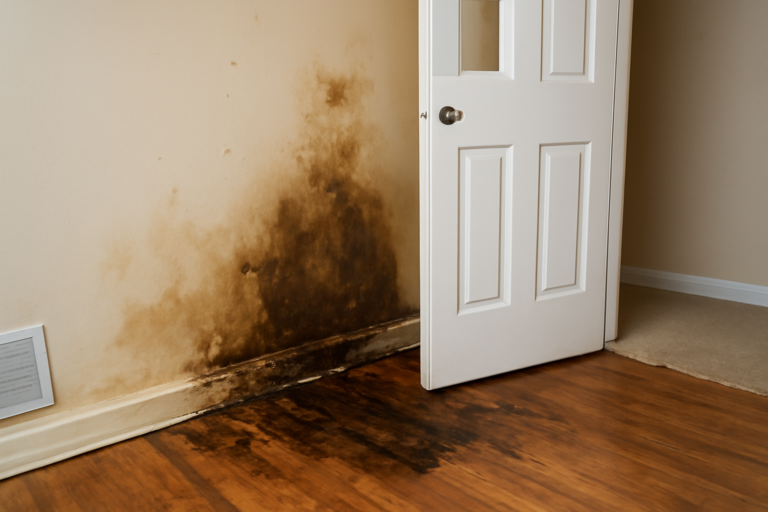
Check for water stains on ceilings and walls, which can signal a leak in your HVAC system.
Unusual Noises or Vibration
Listen for unusual noises or vibrations from your HVAC system, which can show a malfunction or leak.
Increased Energy Bills
Watch for spikes in energy bills which can show inefficient system operation or a hidden leak.
Visible Signs of Water Damage
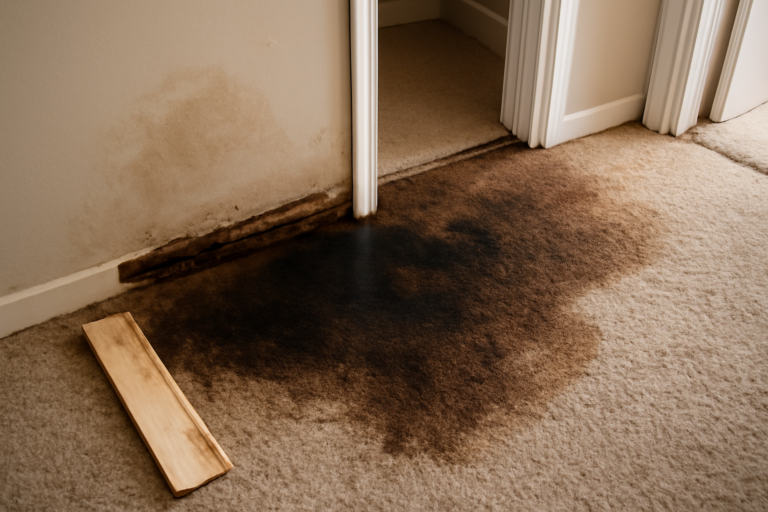
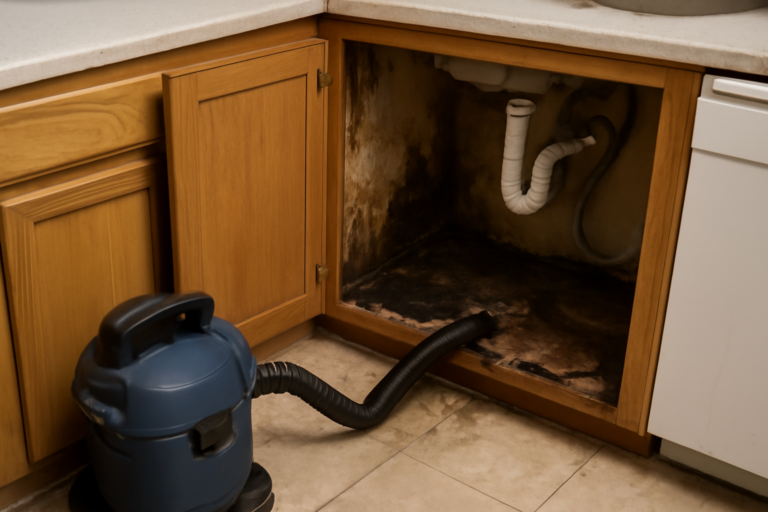
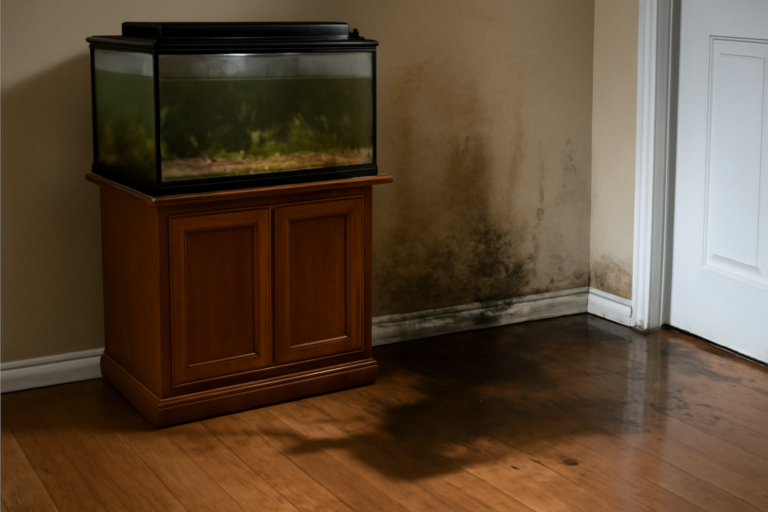
Look for visible signs of water damage, such as warped flooring or water spots on walls and ceilings.
Increased Humidity
Check for increased humidity levels in your home, which can signal a leak or inefficient system operation.
HVAC Leak Water Removal vs. DIY: When to Call a Professional
| Situation | DIY? | Call a Pro? | Why |
|---|---|---|---|
| Small leak in a residential HVAC system | Yes | No | DIY fixes are often effective for small leaks. |
| Large leak or significant water damage | No | Yes | Large leaks need specialized equipment and expertise to fix safely and efficiently. |
| Uncertain about the source of the leak | No | Yes | Our technicians have the training and equipment to detect and fix hidden leaks. |
| Need to repair a complex HVAC system | No | Yes | Complex repairs need specialized knowledge and equipment to avoid further damage. |
| Want to ensure the work is done correctly and safely | No | Yes | Our technicians are IICRC certified and follow industry best practices to ensure your safety and satisfaction. |
While DIY fixes may seem appealing, they can often lead to more significant problems and increased costs down the line. If you’re unsure about the source of the leak or the best course of action, it’s always best to err on the side of caution and call a professional.
HVAC Leak Water Removal Cost in Wylie, TX
The cost of HVAC leak water removal in Wylie, TX, can vary depending on the severity of the issue, the size of the affected area, and local conditions. Here are some estimated price ranges for common sub-services:
| Service | Typical Price Range | What Affects Cost |
|---|---|---|
| Leak repair | $500 – $2,500 | Size of the leak, location, and complexity of the repair |
| Water removal and drying | $1,000 – $5,000 | Amount of water, size of the affected area, and equipment needed |
| Cleaning and sanitizing | $200 – $1,000 | Size of the affected area and level of contamination |
| Final inspection and testing | $100 – $500 | Complexity of the repair and equipment needed |
Keep in mind that these estimates are based on average costs and may vary depending on your specific situation. We offer free estimates and on-site assessments to provide you with a more accurate quote.
Service Areas Near Wylie, TX
We serve the following communities:
Allen, TX, Plano, TX, McKinney, TX, Frisco, TX, Richardson, TX, Garland, TX, Rowlett, TX, Sachse, TX, Parker, TX, Murphy, TX, Wylie, TX
Common Questions About HVAC Leak Water Removal
Q: Will my insurance cover the cost of HVAC leak water removal?
Yes, many insurance policies cover water damage, including HVAC leaks. But, it’s essential to review your policy and contact your insurance provider to confirm coverage.
Q: How long will it take to fix my HVAC leak?
Typically, our technicians can complete the repair within 3-5 days. But, the exact timeframe depends on the complexity of the repair and the availability of equipment.
Q: Is it safe to stay in my home while the repair is being done?
No, it’s not safe to stay in your home while the repair is being done. Our technicians will work efficiently to reduce downtime, but it’s essential to vacate the premises to ensure your safety and the safety of our technicians.
Q: Will you fix my HVAC system, or just remove the water?
We’ll work with you to develop a customized plan that addresses your specific needs. If your HVAC system needs repair or replacement, we’ll recommend the best course of action and provide a quote for the work.
Q: Can I prevent HVAC leaks from happening in the first place?
Yes, regular maintenance and inspections can help prevent HVAC leaks. We recommend scheduling annual inspections and maintenance to ensure your system is running efficiently and safely.
Check Our Other Relevant Services

Thomas Rosenthal is a licensed Damage Restoration Expert with over 20 years of specialized experience in disaster recovery and structural mitigation. As a seasoned industry authority, Thomas has spent two decades mastering the technical nuances of environmental safety, providing property owners with the reliable expertise and steady leadership required to navigate complex restoration challenges with absolute confidence.
𝗖𝗲𝗿𝘁𝗶𝗳𝗶𝗰𝗮𝘁𝗶𝗼𝗻𝘀: Thomas holds elite IICRC credentials, including Water Damage Restoration (WRT), Applied Structural Drying (ASD), Mold Remediation (AMRT), Fire and Smoke Restoration (FSRT), and Odor Control (OCT).
𝗙𝗮𝘃𝗼𝗿𝗶𝘁𝗲 𝗣𝗮𝘀𝘁𝗶𝗺𝗲: An enthusiast of meticulous craftsmanship, Thomas enjoys restoring antique furniture and long-distance cycling, hobbies that mirror the endurance and attention to detail he brings to every job site.
𝗕𝗲𝘀𝘁 𝗣𝗮𝗿𝘁 𝗼𝗳 𝘁𝗵𝗲 𝗷𝗼𝗯: He finds the most fulfillment in witnessing a client’s transition from distress to relief as their property is safely restored to a healthy, pre-loss condition