Northlake, TX · Denton County
Hydrostatic Pressure Water Removal in Northlake, TXSlab Seepage Water Removal & Slab Leak Water Removal
Hydrostatic Pressure Water Removal in Northlake covers groundwater intrusion mitigation, wet subfloor removal and crawl space water extraction.
Answered 24/7
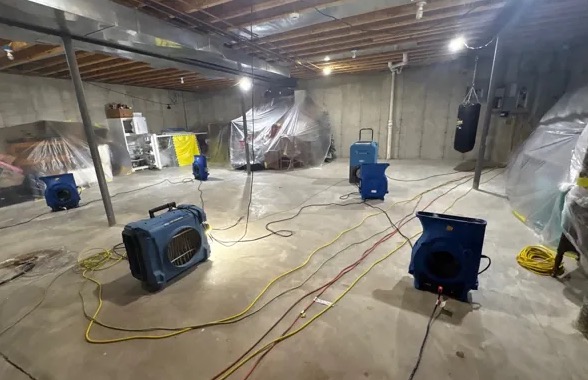
Professional Hydrostatic Pressure Water Removal in Northlake, TX
Water that keeps coming up through a slab damages flooring and keeps the lower level damp. Removing it is the water side of the job, and a structural check is a separate step for a contractor.
Detailed Hydrostatic Pressure Water Removal Methods
Slab Seepage Water Removal
Groundwater pushed up through a concrete slab can leave damp spots or a thin sheet of water. It is extracted and the slab and flooring are dried.
Slab Leak Water Removal
Water coming up through a slab keeps flooring damp and can swell or lift it. The water is removed and the slab and flooring dried.
Groundwater Intrusion Mitigation
The first step is extracting all visible water. The pros then note where water is getting in so you know what to ask a drainage contractor about.
Crawl Space Water Extraction
A wet crawl space is a hidden problem that can lead to mold and wood rot.
Structural Drying After Intrusion
After water is pushed inside, air movers and dehumidifiers dry the wood, concrete and drywall it reached so rot and mold do not start.
Warning Signs You Need Hydrostatic Pressure Water Removal
Spongy or Soft Spots on Floors
Damp spots or lifting flooring on a slab can mean water is coming up from below.
Mold on Baseboards
Mold along baseboards or lower walls points to ongoing moisture coming through the foundation.
Pooling Water in Crawl Space
Standing water in a crawl space is a clear sign water is getting in and needs to be removed.
High Indoor Humidity Levels
High humidity in lower levels that does not go away can mean water is seeping through the foundation.
How Hydrostatic Pressure Water Removal Works in Northlake
Step 1: Initial Pressure Evaluation
The pros look at where the water came in and how wet the soil-side walls and floor are.
Step 2: Sub-Slab Water Removal
Using specialized extraction tools, pros remove water trapped beneath concrete slabs and flooring.
Step 3: Targeted Structural Drying
Drying equipment is aimed at framing, joists and sill plates so the structure dries all the way through.
Step 4: Documentation for Insurance
Moisture readings, photos and notes on the work are put together for your insurance claim.
How Hydrostatic Pressure Creates Water Removal Emergencies
Failed or Missing Waterproofing
Worn exterior coatings or membranes let groundwater reach the foundation wall directly.
Poor Exterior Drainage Systems
Clogged gutters, downspouts and poor grading send water toward the foundation, where it builds pressure in the soil.
Foundation Settlement and Cracks
As a foundation settles, cracks form and give groundwater a direct path inside.
Plumbing Leaks Under the Slab
A broken water line under the slab keeps feeding water up through the floor.
Hydrostatic Pressure Water Removal for All Property Types
Residential Hydrostatic Pressure Water Removal
In homes, groundwater pushed through a wall or slab can soak flooring and drywall. Fast extraction and drying keep the damage from spreading to walls and stored items.
Commercial Hydrostatic Pressure Water Removal
Restaurants, medical offices, and other sensitive environments require meticulous groundwater extraction and sanitization after water intrusion. Specialized water removal pros ensure these spaces meet strict hygiene standards.
Hydrostatic Pressure Water Removal: Why DIY Falls Short
If a plumbing leak may be adding to the water, shut off the main valve. Finding where groundwater enters and drying the structure takes meters and drying equipment.
What Influences Hydrostatic Pressure Water Removal Costs in Northlake
The cost of hydrostatic pressure water removal in Northlake depends on how much of the lower level flooded and how much water came in.
Material Saturation Level
Deeply soaked subflooring or wet foundation walls need more extraction and dehumidification.
Mitigation Measures
Drainage or waterproofing work to stop water from returning is a separate cost from the water removal.
Equipment Needs
Large pumps and industrial dehumidifiers for big jobs add to the equipment cost.
Does Insurance Cover Hydrostatic Pressure Water Removal?
Coverage for hydrostatic pressure water removal depends on your policy and what caused the water. Local structural drying professionals in Northlake take photos and moisture readings, and your insurer decides what is covered.
The Value of Local Pros for Hydrostatic Pressure Water Removal
Focused Mitigation Planning
You get notes on where water came in, so you can plan drainage work with a contractor.
Structural Damage Assessment
The pros check where water came in and which materials it reached before drying starts.
Detailed Documentation
Photos and moisture logs of the work are kept to support your insurance claim.
Round-the-Clock Hydrostatic Pressure Water Removal in Northlake, TX
Drying after groundwater gets in starts with a call to (972) 480-3796. The professionals are available 24/7 in Northlake to remove the water and set up drying.
Call Now (972) 480-3796Hydrostatic Pressure Water Removal Coverage Around Northlake
Help with hydrostatic pressure water removal is available for properties in Northlake and nearby Justin, Argyle and Lantana.
- Hydrostatic Pressure Water Removal in Justin
- Hydrostatic Pressure Water Removal in Argyle
- Hydrostatic Pressure Water Removal in Lantana
- Hydrostatic Pressure Water Removal in Roanoke
- Hydrostatic Pressure Water Removal in Krum
- Hydrostatic Pressure Water Removal in Trophy Club
- Hydrostatic Pressure Water Removal in Flower Mound
- Hydrostatic Pressure Water Removal in Southlake
Hydrostatic Pressure Water Removal FAQs
When is wet subfloor removal necessary?
When wood subflooring is so soaked that it cannot be dried, it is removed to prevent rot and a weak floor.
Is slab leak water removal an emergency?
Often, yes. Water coming up through the slab can spread under flooring and into walls quickly, so it should be removed early.
What is structural drying after intrusion?
It is drying the concrete, wood and other building materials after groundwater or flood water gets inside.
Why is subfloor drying services important after flooding?
Drying the subfloor keeps it from rotting and growing mold, which protects the floor system above it.
Will drying stop water from coming back?
No. Drying fixes the damage that is already there. Keeping water out takes drainage, grading or waterproofing work by a contractor.