Pilot Point, TX · Denton County
Hydrostatic Pressure Water Removal in Pilot Point, TXCrawl Space Water Extraction & Structural Drying After Intrusion
Hydrostatic Pressure Water Removal in Pilot Point covers groundwater intrusion mitigation, wet subfloor removal and crawl space water extraction.
Answered 24/7
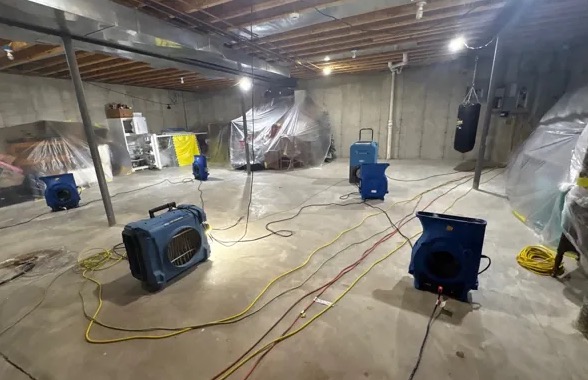
Professional Hydrostatic Pressure Water Removal in Pilot Point, TX
In Pilot Point areas where the water table rises in wet seasons, groundwater presses on foundation walls and can seep inside.
Comprehensive Hydrostatic Pressure Water Removal Solutions
Crawl Space Water Extraction
A wet crawl space is a hidden problem that can lead to mold and wood rot.
Structural Drying After Intrusion
After water is pushed inside, air movers and dehumidifiers dry the wood, concrete and drywall it reached so rot and mold do not start.
Slab Seepage Water Removal
Groundwater pushed up through a concrete slab can leave damp spots or a thin sheet of water. It is extracted and the slab and flooring are dried.
Slab Leak Water Removal
Water coming up through a slab keeps flooring damp and can swell or lift it. The water is removed and the slab and flooring dried.
Foundation Crack Water Infiltration
Even hairline cracks can let in a lot of water when the soil is soaked. The water inside is removed, and sealing the crack is left to a foundation contractor.
Symptoms That Require Hydrostatic Pressure Water Removal
Gurgling Sounds From Floor Drains
Gurgling floor drains during heavy rain can mean water pressure is building in the drain lines around the house.
Spongy or Soft Spots on Floors
Damp spots or lifting flooring on a slab can mean water is coming up from below.
Mold on Baseboards
Mold along baseboards or lower walls points to ongoing moisture coming through the foundation.
Efflorescence on Concrete Surfaces
White, chalky deposits on foundation walls or the slab show water has been pushing through the concrete.
How Hydrostatic Pressure Water Removal Works in Pilot Point
Step 1: Safety and Hazard Assessment
The area is made safe and electrical hazards are checked before any water removal starts.
Step 2: Foundation Crack Water Infiltration Stop
Water coming through cracks is managed with pumps while the area dries, and the cracks are noted for a foundation contractor.
Step 3: Advanced Drying System Setup
Desiccant dehumidifiers and injectidry systems are installed to dry deep within building materials. This equipment pulls moisture out of concrete, wood and insulation.
Step 4: Post-Restoration Integrity Check
A final check confirms the lower level is dry, and the readings are shared with you.
What Causes Hydrostatic Pressure Water Damage
Plumbing Leaks Under the Slab
A broken water line under the slab keeps feeding water up through the floor.
Clogged or Collapsed Footing Drains
When perimeter drains clog or fail, water has nowhere to go and presses against the walls and slab.
Foundation Settlement and Cracks
As a foundation settles, cracks form and give groundwater a direct path inside.
Failed or Missing Waterproofing
Worn exterior coatings or membranes let groundwater reach the foundation wall directly.
Hydrostatic Pressure Water Removal for All Property Types
Residential Hydrostatic Pressure Water Removal
In homes, groundwater pushed through a wall or slab can soak flooring and drywall. Fast extraction and drying keep the damage from spreading to walls and stored items.
Commercial Hydrostatic Pressure Water Removal
Restaurants, medical offices, and other sensitive environments require meticulous groundwater extraction and sanitization after water intrusion. Specialized water removal pros ensure these spaces meet strict hygiene standards.
Hydrostatic Pressure Water Removal vs. DIY: When to Call the Pros
Take photos and video of the damage from a safe spot for your insurance claim. Stay out of flooded areas with power still on, and let the pros handle the moisture mapping.
Hydrostatic Pressure Water Removal Cost in Pilot Point, TX
In Denton County, the cost of foundation water removal depends on the source, such as seepage through a slab or a large crack letting water in.
Affected Area Size
Larger flooded areas or large wet subfloors need more equipment and more days of drying.
Water Source Type
A slow slab seep and a sudden flood through a wall crack need different approaches and equipment.
Required Drying Time
The number of days the structure takes to dry is a large part of the cost.
Does Insurance Cover Hydrostatic Pressure Water Removal?
Coverage for hydrostatic pressure water removal depends on your policy and what caused the water. Local foundation water removal pros in Pilot Point take photos and moisture readings, and your insurer decides what is covered.
Selecting Local Pros for Hydrostatic Pressure Water Removal in Pilot Point, TX
Focused Mitigation Planning
You get notes on where water came in, so you can plan drainage work with a contractor.
IICRC-Standard Drying Methods
Drying the structure fully after water intrusion protects the foundation and framing from lasting damage.
Structural Damage Assessment
The pros check where water came in and which materials it reached before drying starts.
Emergency Hydrostatic Pressure Water Removal in Pilot Point
Water forced in through a foundation crack can spread across a floor quickly. Call (972) 480-3796 any time for help with water removal and drying in Pilot Point.
Call Now (972) 480-3796Hydrostatic Pressure Water Removal Coverage in Pilot Point, Aubrey, Providence Village and Celina
Crawl space pumping and slab leak water removal are available in Pilot Point and the wider Denton County region, including Aubrey, Providence Village and Celina.
- Hydrostatic Pressure Water Removal in Aubrey
- Hydrostatic Pressure Water Removal in Providence Village
- Hydrostatic Pressure Water Removal in Celina
- Hydrostatic Pressure Water Removal in Paloma Creek
- Hydrostatic Pressure Water Removal in Savannah
- Hydrostatic Pressure Water Removal in Prosper
- Hydrostatic Pressure Water Removal in Little Elm
- Hydrostatic Pressure Water Removal in Sanger
- Emergency Damage Restoration in 76258
- Storm Damage Restoration in 76258
- Water Damage Restoration in 76258
- Water Extraction Service in 76258
- Water Leak Detection in 76258
- Water Removal Service in 76258
Frequently Asked Questions About Hydrostatic Pressure Removal
What equipment is used for groundwater extraction?
Groundwater extraction uses submersible pumps for deep water, wet-dry vacuums for shallow flooding, and specialized extractors for under-slab water removal.
What is structural drying after intrusion?
It is drying the concrete, wood and other building materials after groundwater or flood water gets inside.
When is wet subfloor removal necessary?
When wood subflooring is so soaked that it cannot be dried, it is removed to prevent rot and a weak floor.
What causes foundation crack water infiltration?
Usually water pressure from soaked soil, or settlement cracks that give groundwater a path into the building.
What are signs of soil pressure water intrusion?
Water seeping where the floor meets the wall, damp foundation walls and ongoing moisture in a crawl space.