Greenville, TX · Hunt County
Moisture Mapping in Greenville, TXSubfloor Moisture Inspection & Wall Cavity Moisture Mapping
Moisture Mapping in Greenville includes post-flood moisture assessment, roof leak moisture tracing and structural drying verification.
Answered 24/7
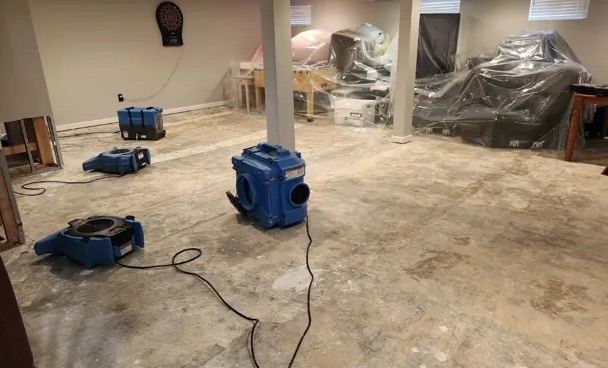
Accurate Moisture Mapping for Greenville Properties
Whether stemming from a sudden flood or a persistent slow leak, knowing the complete extent of wet building materials is essential to prevent future structural problems and mold.
Moisture mapping in Greenville helps identify hidden water damage through thermal imaging and moisture meter readings. Available in Greenville and areas like Farmersville, Royse City and Lavon, these services support effective water damage assessment and drying verification.
The Moisture Mapping Process in Greenville
Subfloor Moisture Inspection
Local water damage pros in Greenville methodically map subfloor moisture to determine drying strategy and timeline. Wet subfloors require targeted airflow and dehumidification to restore stability.
Wall Cavity Moisture Mapping
Accurate wall cavity moisture readings ensure drying equipment is placed correctly. Local water damage pros in Greenville document these readings to support the necessity of repairs for insurance purposes.
Roof Leak Moisture Tracing
The pros trace the path of moisture from a roof leak through the attic and down into ceilings and walls.
Thermal Imaging Moisture Detection
Using thermal imaging, the pros in Greenville can identify condensation issues and plumbing leaks behind finished surfaces. This technology is a standard part of a thorough water damage assessment.
Post-Flood Moisture Assessment
Readings are charted from the floor up the walls to find pockets of moisture, which is how the pros plan where drying should go.
Symptoms Requiring Moisture Mapping in Greenville
Discoloration on Walls or Ceilings
Yellow, brown or dark stains on walls or ceilings often mean a slow leak behind the surface.
Soft or Spongy Drywall
Drywall that feels soft to the touch has absorbed water and may conceal a larger leak source.
High Indoor Humidity Levels
Consistently high humidity readings suggest a moisture problem that a detailed moisture inspection can identify.
Condensation on Windows or Pipes
Heavy condensation on windows, pipes or walls can soak nearby materials and should be checked.
How Moisture Mapping Works in Greenville
Step 1: Call for Moisture Mapping
When you contact the experts, they schedule a visit to begin the specialized moisture mapping process for your property.
Step 2: Advanced Leak Source Identification
The pros trace the moisture path back to where it started, whether a pipe, an appliance or an outside leak.
Step 3: Roof Leak Moisture Tracing
If a roof leak is suspected, roof leak moisture tracing is used to follow the water from the interior stain to the exterior breach.
Step 4: Verification and Moisture Mapping Delivery
The process ends with verification of dry conditions and the delivery of a complete moisture mapping document to guide all restoration work.
Why Greenville Homes Need Moisture Mapping
Faulty or Clogged Gutters
Gutters that overflow or are blocked can direct water against the siding and foundation, causing moisture intrusion.
Appliance Malfunctions and Overflows
Failing water heaters, washing machines, or dishwasher hoses can cause significant flooding and hidden water damage.
HVAC System Issues
Malfunctioning air conditioners or humidifiers can add moisture that soaks ductwork and walls unseen.
Poor Ventilation and Condensation
Poor airflow in bathrooms, kitchens or attics lets condensation build up on walls and framing.
Greenville Moisture Mapping for All Property Types
Residential Moisture Mapping
In homes, the pros check attics, crawlspaces and living areas for hidden water that could lead to costly repairs if left alone.
Commercial Moisture Mapping
In offices and stores, the pros follow a roof leak's moisture path to find where it enters, so the roofer can repair the right spot.
Why DIY Moisture Detection Fails in Greenville
You can visually inspect accessible areas for obvious signs of water, like puddles or stains, and wipe up surface water promptly. Ensure the area is well-ventilated by opening windows if it is safe to do so.
Factors in Moisture Mapping Cost for Greenville
In Greenville, pricing for moisture mapping is influenced by the number of rooms requiring assessment and the technology used, such as thermal imaging cameras.
Property Square Footage
Larger homes take longer to check room by room, which adds time and cost.
Damage Severity Level
Extensive hidden water damage demands prolonged investigation with thermal imaging, affecting the total project duration and pricing.
Accessibility of Areas
Difficult-to-reach wall cavities or subfloors in Greenville homes can increase the labor time needed for accurate moisture mapping.
Does Insurance Cover Moisture Mapping?
Insurance might consider moisture detection for condensation damage if it leads to sudden and accidental property damage. You must submit this to your insurer and follow their process for claim evaluation.
The Value of Local Moisture Mapping in Greenville
Structural Drying Verification
A final round of readings confirms the structure is dry before walls are closed and floors go back down.
24/7 Emergency Response
Moisture inspection is available day or night to find the leak source before damage spreads.
Post-Flood Damage Assessment
A systematic post-flood moisture check evaluates saturation levels to inform an effective structural drying plan.
Emergency Moisture Mapping Response for Greenville
A pipe leak or flood needs a moisture check right away. Dial (972) 480-3796 for an emergency moisture assessment and dryness checks from the experts on standby.
Call Now (972) 480-3796Local Moisture Mapping Areas: Greenville and Beyond
Each place listed below has its own page with local details.
- Moisture Mapping in Farmersville
- Moisture Mapping in Royse City
- Moisture Mapping in Lavon
- Moisture Mapping in Fate
- Moisture Mapping in Princeton
- Moisture Mapping in Rockwall
- Moisture Mapping in Heath
- Moisture Mapping in Wylie
- Emergency Damage Restoration in 75401
- Storm Damage Restoration in 75401
- Water Damage Restoration in 75401
- Water Extraction Service in 75401
- Water Leak Detection in 75401
- Water Removal Service in 75401
- Emergency Damage Restoration in 75402
- Storm Damage Restoration in 75402
Moisture Mapping FAQ for Greenville Homeowners
What is structural drying verification?
Structural drying verification is a final assessment using moisture meters to confirm that building materials have reached a safe, dry equilibrium after water removal and drying procedures are complete.
How often should moisture inspection occur?
Routine moisture inspection isn't typical; it's performed reactively after leaks or floods, or proactively if you suspect hidden issues like persistent odors or unexplained stains.
After mapping, what is the next step?
Following moisture mapping, the next step is often implementing a targeted drying plan based on the map, or if the leak is active, arranging repairs before drying begins.
Can moisture mapping detect old water damage?
Advanced thermal imaging can sometimes detect temperature anomalies from past drying events. However, moisture meters are typically more reliable for detecting active moisture.
Why is leak source identification critical?
Finding the true source stops the water at its origin, so repairs fix the cause and not only the stains it left.