Plano, TX · Collin County
Rapid Structural Drying in Plano, TXFlood Drying Services & Subfloor Drying
Rapid Structural Drying in Plano involves services like wall cavity drying, subfloor drying, and crawl space drying from restoration pros.
Answered 24/7
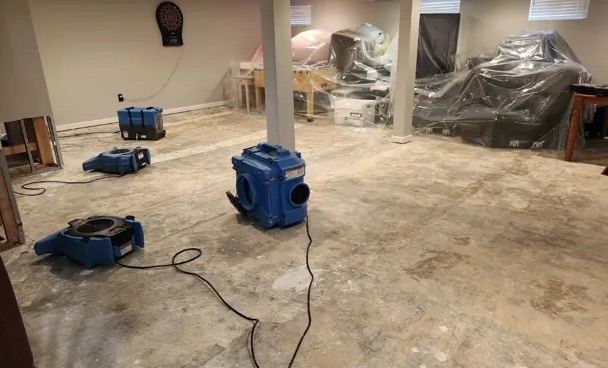
Professional Rapid Structural Drying in Plano, TX
Flooding events introduce large volumes of water that soak deep into structural components. Residential structural drying after a flood requires powerful equipment to dry materials from the inside out.
For commercial structural drying in Plano, businesses benefit from rapid intervention to limit downtime and damage. Assistance is available throughout the region, such as in Murphy, Parker and Richardson, with 24/7 availability.
Rapid Structural Drying Services in Plano
Flood Drying Services
Floodwaters affect every porous material they touch. The operation runs 24/7 until the environment is controlled.
Subfloor Drying
In many water damage situations, the subfloor is critically affected. Subfloor drying prevents costly replacement by using specialized equipment like LGR dehumidifiers and directed airflow.
Emergency Structural Drying
The priority after water damage is rapid drying. Powerful drying systems are then activated to aggressively remove water vapor and protect the building's integrity.
Wall Cavity Drying
Interior walls can absorb significant moisture from leaks or floods. Wall cavity drying involves accessing the space between studs to direct airflow and desiccant dehumidification.
Crawl Space Drying
Damp crawl spaces promote wood rot, mold, and musty odors. Drying addresses standing water and high humidity with extraction, ventilation, and industrial dehumidification to create a dry, stable environment.
Indications for Rapid Structural Drying
Visible Water Stains on Walls
Yellow or brown stains on drywall or ceilings mean water got into the material and may still be inside.
Recent Plumbing Leak or Flood
Any recent leak or flood can leave water inside walls and floors even after surfaces look dry.
Peeling Paint or Wallpaper
Paint or wallpaper that is blistering and peeling is often caused by hidden moisture behind the surface.
Soggy or Spongy Drywall
Drywall that feels soft to the touch has absorbed a lot of water and needs drying right away.
How Rapid Structural Drying Works in Plano
Step 1: Initial Inspection and Damage Documentation
Water damage pros document all visible damage with photos and initial moisture readings, providing a baseline for the drying protocol and your insurance.
Step 2: Implementation of Structural Drying Plan
A customized drying plan is executed, placing air scrubbers, dehumidifiers, and specialized fans to achieve rapid structural drying in walls and floors.
Step 3: Continuous Moisture Monitoring Process
Pros take readings each day and move equipment as areas dry, so drying keeps moving.
Step 4: Completion of Emergency Structural Drying
Once all materials meet the required dryness standards, the emergency structural drying phase is complete, and equipment is removed from your property.
What Leads to Needing Rapid Structural Drying
Overflowing Sinks or Bathtubs
A bathroom overflow can send water under flooring and into wall cavities, where it stays hidden.
Clogged Gutters and Downspouts
When gutters overflow, water pools against the foundation and can seep into crawl spaces, slabs and lower walls.
Severe Weather and Flooding
Heavy rainfall or localized flooding can overwhelm drainage, leading to water intrusion.
Landscaping or Grading Problems
Improper yard slope can direct water toward a foundation, leading to persistent dampness in slabs and crawl spaces.
Rapid Structural Drying for Homes and Businesses
Residential Rapid Structural Drying
In homes, rapid structural drying targets moisture trapped in walls, under floors, and in crawl spaces after a leak.
Commercial Rapid Structural Drying
For businesses, commercial structural drying minimizes downtime after water damage. The pros focus on large-scale moisture removal from concrete slabs, interior wall cavities, and office subfloors using high-capacity equipment to get operations back to normal.
The Risks of Attempting Rapid Structural Drying Yourself
Pull back baseboards carefully to inspect for hidden water in wall cavities, but do not puncture drywall. This visual check can help assess the extent.
Understanding Rapid Structural Drying Investment
In Plano, the cost of structural drying depends on the water source, the size of the wet area and how much equipment is needed.
Access and Complexity
Difficult-to-reach areas like tight crawl spaces or behind finished walls add labor time to the emergency structural drying process.
Project Duration
The total time needed for complete structural dehumidification and achieving dry standards affects the overall labor and equipment rental period.
Affected Structural Materials
Drying dense materials like concrete slabs or enclosed wall cavities demands specialized techniques and longer durations than drying open areas.
Does Insurance Cover Rapid Structural Drying?
Coverage for rapid structural drying depends on the insurance policy and the cause of loss. The homeowner should submit this documentation to their insurer, as coverage decisions belong solely to the insurer.
Benefits of Professional Rapid Structural Drying
Industrial-Grade Drying Equipment
High-capacity air movers and dehumidifiers dry crawl spaces and concrete slabs, which hold water longest.
24/7 Emergency Response
Help is available day or night to begin the rapid structural drying process and limit further damage.
Targeted Drying Strategies
Drying plans are adjusted for subfloors and enclosed spaces that need targeted dehumidification.
Round-the-Clock Rapid Structural Drying Availability
The first 24 to 48 hours after a leak matter most for drying. If you have standing water or soaked walls, call (972) 480-3796 to start drying.
Call Now (972) 480-3796Rapid Structural Drying in Plano and Nearby Areas
Across Plano and nearby communities, the pros map moisture and dry structures for homes and businesses in Plano, Murphy, Parker and Richardson.
- Rapid Structural Drying in Murphy
- Rapid Structural Drying in Parker
- Rapid Structural Drying in Richardson
- Rapid Structural Drying in Sachse
- Rapid Structural Drying in Allen
- Rapid Structural Drying in Lucas
- Rapid Structural Drying in Addison
- Rapid Structural Drying in Fairview
- Emergency Damage Restoration in 75023
- Storm Damage Restoration in 75023
- Water Damage Restoration in 75023
- Water Extraction Service in 75023
- Water Leak Detection in 75023
- Water Removal Service in 75023
- Emergency Damage Restoration in 75024
- Storm Damage Restoration in 75024
Rapid Structural Drying FAQs
How does drying differ for residential structural drying?
Residential structural drying often involves navigating living spaces, personal belongings, and varied construction materials, with a focus on restoring habitability and protecting the home's value.
Why is quick action critical for structural drying?
Quick action limits the extent of water absorption into materials, reduces the drying time required, and helps minimize the potential for costly repairs related to structural decay or mold.
Why document the process for insurance?
Detailed documentation of moisture readings, photos, and equipment used provides a clear record for your insurance claim, showing the necessity and scope of the rapid structural drying services performed.
Is rapid structural drying needed for clean water leaks?
Yes, even clean water from a broken pipe requires rapid structural drying to prevent absorption into porous materials, which can lead to swelling, warping, and potential mold.
What is structural dehumidification?
Structural dehumidification uses large-capacity dehumidifiers to lower the overall humidity within a building's structure, aiding the drying of materials and helping to prevent secondary water damage like mold.