Prosper, TX · Collin County
Rapid Structural Drying in Prosper, TXSubfloor Drying & Wall Cavity Drying
Rapid Structural Drying in Prosper includes emergency structural drying, moisture mapping services, and flood drying services.
Answered 24/7
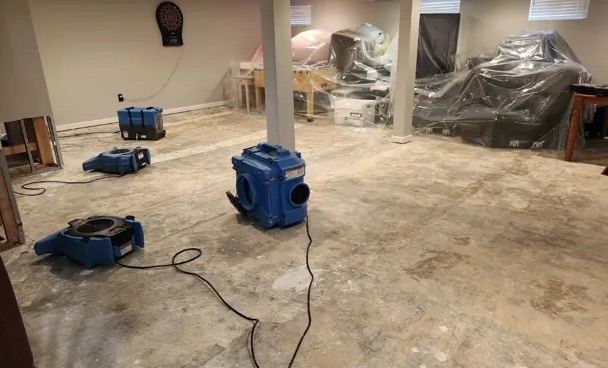
Rapid Structural Drying Solutions in Prosper, Texas
Water intrusion from plumbing failures or weather events threatens structural integrity in any property. Untreated moisture leads to wood rot, mold growth and compromised building materials.
For commercial structural drying in Prosper, businesses benefit from rapid intervention to limit downtime and damage. Assistance is available throughout the region, such as in Celina, Frisco and Savannah, with 24/7 availability.
Tailored Rapid Structural Drying for Prosper
Subfloor Drying
A soaked subfloor is a priority for structural drying. The process involves moisture mapping to determine the extent of saturation.
Wall Cavity Drying
Interior walls can absorb significant moisture from leaks or floods. Wall cavity drying involves accessing the space between studs to direct airflow and desiccant dehumidification.
Structural Dehumidification
In a water-damaged building, high humidity is the enemy. Structural dehumidification uses commercial-grade equipment to rapidly lower relative humidity.
Moisture Mapping Services
Before drying equipment is set up, a moisture map is created. This service identifies the full extent of water migration in Prosper properties.
Emergency Structural Drying
Drying starts with a quick assessment and equipment placement, so moisture is pulled from walls, floors and framing before the damage spreads.
When Rapid Structural Drying is needed
Musty Odors in Your Home
A musty smell that will not go away usually means moisture is trapped inside walls or under floors.
Mold Growth on Baseboards
Mold appearing along floor edges often points to hidden moisture in wall cavities or subfloors needing extraction.
Damp Spots on Concrete Floors
Persistent dampness on a concrete slab can leave white mineral deposits and loosen flooring adhesive.
High Indoor Humidity Levels
A clammy feeling in the air suggests elevated moisture that structural dehumidification equipment is designed to correct.
How Rapid Structural Drying Works in Prosper
Step 1: Water Extraction and Containment
The process begins with extracting any standing water, then containing the affected area to prevent moisture migration to dry parts of the building.
Step 2: Professional Drying Equipment Deployment
Powerful desiccant and refrigerant dehumidifiers are deployed alongside air movers to aggressively remove moisture from the air and building materials.
Step 3: Focused Crawl Space and Slab Drying
Hard areas get specific methods, such as ducted air for crawl spaces and floor mats for concrete slabs.
Step 4: Final Moisture Validation and Documentation
Final moisture readings are taken and documented with photos and reports for your insurer, confirming the structure is dry and stable.
Events That Lead to Rapid Structural Drying
Severe Weather and Flooding
Heavy rainfall or localized flooding can overwhelm drainage, leading to water intrusion.
Roof Leaks From Storm Damage
Wind-driven rain or damaged shingles allow water to infiltrate attics and wall cavities, leading to widespread structural moisture.
Overflowing Sinks or Bathtubs
A bathroom overflow can send water under flooring and into wall cavities, where it stays hidden.
Appliance Malfunctions and Leaks
Faulty water heaters, washing machines, or dishwashers can leak slowly, causing hidden damage in walls and floors over time.
Residential and Commercial Rapid Structural Drying in Prosper
Residential Rapid Structural Drying
Crawl space drying is critical in homes to stop wood rot and pest infestation. Local restoration pros run drying ducts and desiccant dehumidifiers under the house until it reads dry.
Commercial Rapid Structural Drying
Offices get drying plans that run in phases, floor by floor, so wall cavities and ceiling plenums are dried with the least disruption.
When DIY Methods Are Not Enough for Rapid Structural Drying
If safe, you can turn off the water source at the main valve to stop the flow. Move furniture and belongings away from the wet area onto dry surfaces.
Factors Influencing Rapid Structural Drying Costs
For commercial drying in Prosper, cost depends on how long the business is interrupted and the size of the drying setup.
Access and Complexity
Difficult-to-reach areas like tight crawl spaces or behind finished walls add labor time to the emergency structural drying process.
Water Contamination Category
Clean water from a broken pipe is simpler to address than contaminated flood water, which requires more extensive safety and drying protocols.
Extent of Water Damage
The square footage and depth of saturation in materials like drywall and subflooring directly impact the drying time and equipment needed.
Does Insurance Cover Rapid Structural Drying?
For flood drying services, coverage often requires a separate flood insurance policy. You need to provide this report to your insurance company and follow their specific claims process for water damage.
The Importance of Expert Rapid Structural Drying
24/7 Emergency Response
Help is available day or night to begin the rapid structural drying process and limit further damage.
Focus on Structural Integrity
The process prioritizes drying the building structure itself, including wall cavities and subfloors, to protect its stability.
Thorough Process Verification
Drying is monitored until moisture levels in materials meet standard dry criteria before equipment is removed.
24/7 Emergency Rapid Structural Drying in Prosper
The first 24 to 48 hours after a leak matter most for drying. If you have standing water or soaked walls, call (972) 480-3796 to start drying.
Call Now (972) 480-3796Local Rapid Structural Drying Coverage Area
Wall cavity and subfloor drying is available in Prosper and nearby areas such as Celina, Frisco and Savannah.
- Rapid Structural Drying in Celina
- Rapid Structural Drying in Frisco
- Rapid Structural Drying in Savannah
- Rapid Structural Drying in Paloma Creek
- Rapid Structural Drying in Little Elm
- Rapid Structural Drying in McKinney
- Rapid Structural Drying in The Colony
- Rapid Structural Drying in Fairview
- Emergency Damage Restoration in 75078
- Storm Damage Restoration in 75078
- Water Damage Restoration in 75078
- Water Extraction Service in 75078
- Water Leak Detection in 75078
- Water Removal Service in 75078
Frequently Asked Rapid Structural Drying Questions
What is structural dehumidification?
Structural dehumidification uses large-capacity dehumidifiers to lower the overall humidity within a building's structure, aiding the drying of materials and helping to prevent secondary water damage like mold.
When is crawl space drying necessary?
Crawl space drying is necessary when flooding or high humidity saturates this enclosed area, as trapped moisture can damage foundation piers, joists, and lead to mold growth throughout the home.
Why is quick action critical for structural drying?
Quick action limits the extent of water absorption into materials, reduces the drying time required, and helps minimize the potential for costly repairs related to structural decay or mold.
What are moisture mapping services?
Moisture mapping services involve using meters and sensors to create a visual record of moisture levels throughout a structure, guiding the drying process and verifying when materials are dry.
How does drying differ for residential structural drying?
Residential structural drying often involves navigating living spaces, personal belongings, and varied construction materials, with a focus on restoring habitability and protecting the home's value.