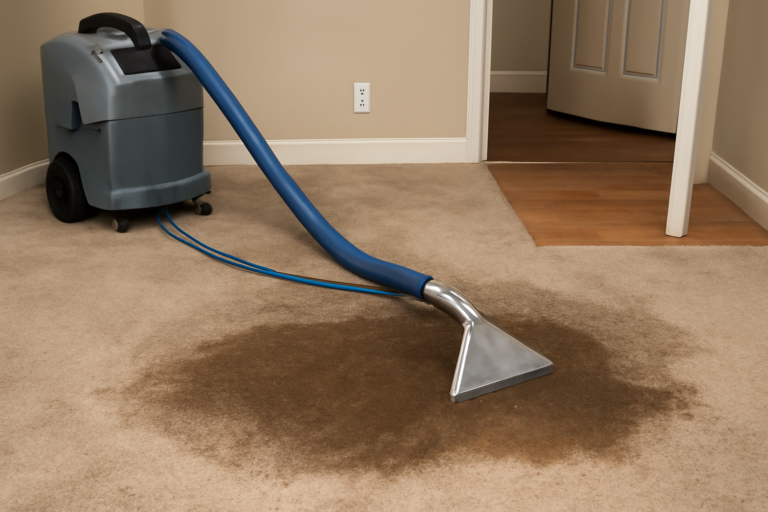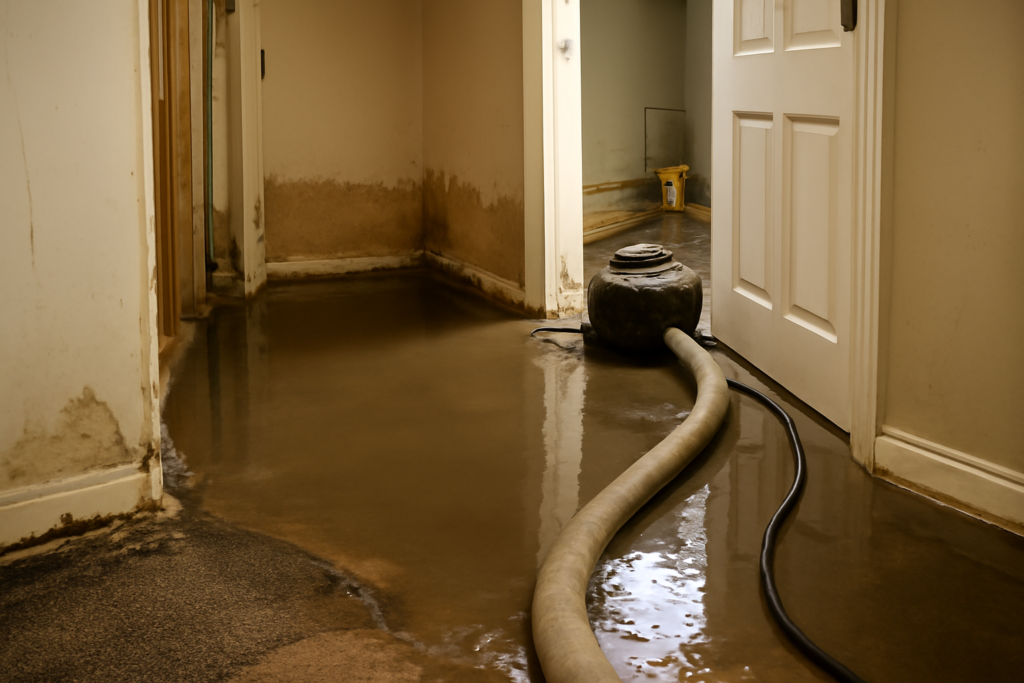
Sewer Backup Water Removal in Denison, TX
Trusted by 155+ Homeowners
Sewer Backup Water Removal in Denison, TX: What You Need to Know
Did you know that 1 in 5 homeowners in the area will experience a sewer backup in their lifetime? It’s a common problem, but one that can be devastating if not addressed quickly. When a sewer backup occurs, it’s not just a matter of cleaning up the mess; it’s a complex issue that needs specialized equipment and expertise to resolve. Our team has seen firsthand the damage that can be done by a sewer backup, and we’re here to help you navigate this challenging situation.
Our team has helped over 165 homeowners in the area recover from sewer backups, and we’re proud of our reputation for delivering top-notch service and results. We’re not just a restoration company; we’re your neighbors, and we care about the community. When you choose us for your sewer backup water removal needs, you can trust that you’re in good hands.
- We respond quickly to reduce damage and prevent further issues.
- We use specialized equipment to extract water and dry out your property.
- We work closely with your insurance company to ensure a smooth claims process.
How Sewer Backup Water Removal Actually Works
When a sewer backup occurs, it’s essential to act fast to prevent further damage. Our team will arrive on-site within 60 minutes to assess the situation and develop a plan to restore your property. We’ll use specialized equipment, such as truck-mounted extractors and drying equipment, to remove standing water and dry out your space. Our technicians are IICRC-certified and have the expertise to handle even the toughest sewer backup jobs.
Step 1: Assessment and Planning
We’ll arrive on-site to assess the damage and develop a customized plan to restore your property. This includes identifying the source of the backup, assessing the extent of the damage, and determining the best course of action to restore your space.
Step 2: Water Extraction
We’ll use specialized equipment to extract water from your property, including truck-mounted extractors and wet vacuums. This helps prevent further damage and reduces the risk of mold and mildew growth.
Step 3: Drying and Dehumidification
We’ll use high-velocity air movers and dehumidifiers to dry out your space and prevent further damage. This includes drying walls, floors, and ceilings, as well as removing any remaining moisture from your property.
Step 4: Sanitizing and Cleaning
We’ll use specialized cleaning solutions and equipment to sanitize and clean your property, including any affected surfaces and materials. This helps prevent the growth of mold and mildew and ensures your space is safe to occupy.
Step 5: Final Inspection and Certification
Our team will conduct a final inspection to ensure your property is safe and dry. We’ll also provide certification that your property has been restored to a safe and healthy condition.
Don’t wait until it’s too late to act. Contact us today to schedule your sewer backup water removal service and get your property back to normal.
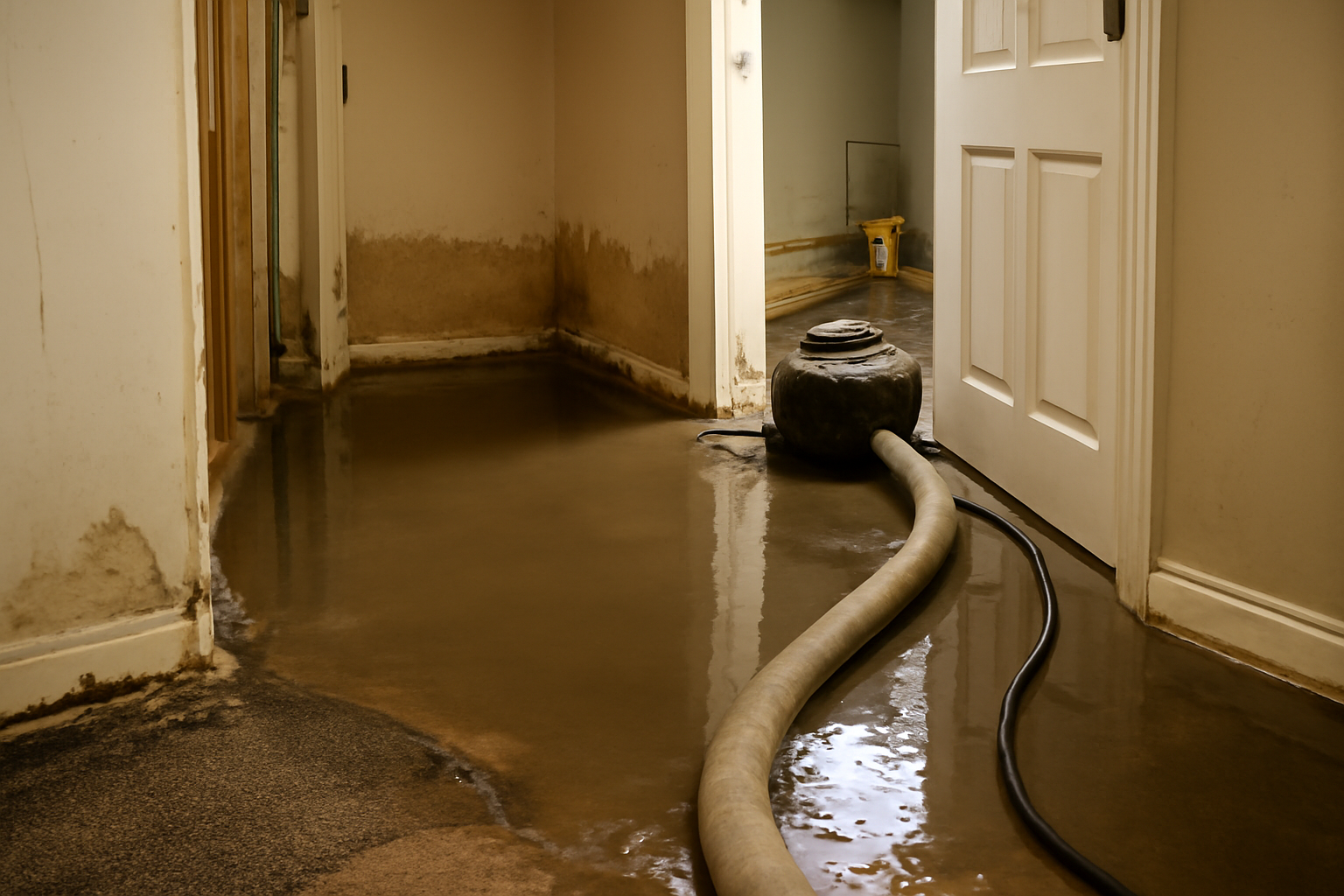
Warning Signs You Need Sewer Backup Water Removal
Catching sewer backup issues early can save you thousands of dollars in repairs and prevent bigger problems down the line. Here are some warning signs you need sewer backup water removal:
Musty Odors That Won’t Go Away
Strong, persistent odors in your home or business can be a sign of a sewer backup. If you notice a musty smell that won’t go away, it’s essential to investigate further to prevent further damage.
Soggy Carpet and Flooring
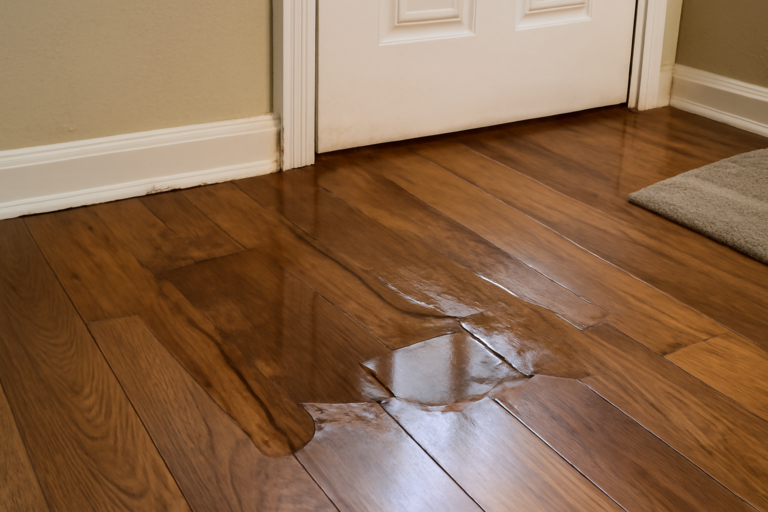
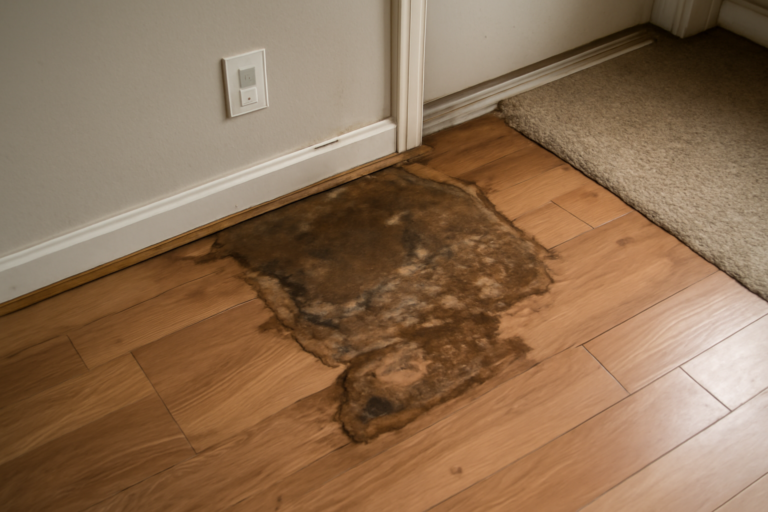
Soggy carpet and flooring can be a sign of a sewer backup. If you notice water damage or soggy flooring, it’s essential to act fast to prevent further damage.
Backed-Up Toilets and Drains
Backed-up toilets and drains can be a sign of a sewer backup. If you notice water backing up into your toilets or drains, it’s essential to investigate further to prevent further damage.
Water Damage and Staining
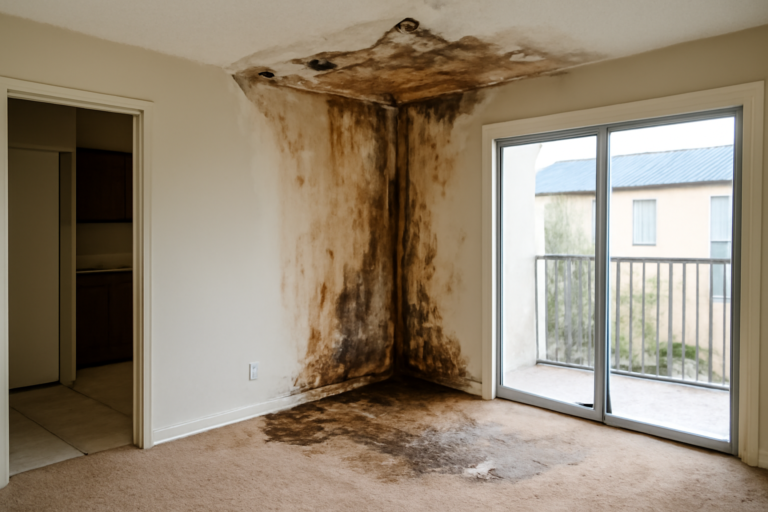
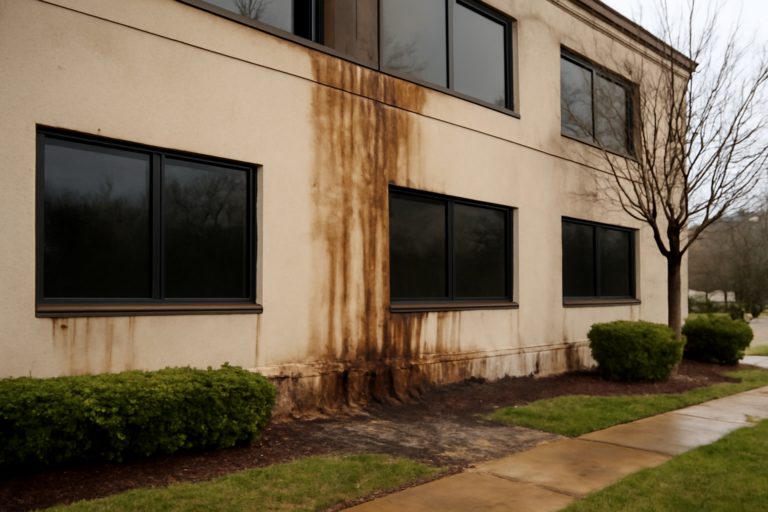
Water damage and staining can be a sign of a sewer backup. If you notice water damage or staining on your walls, floors, or ceilings, it’s essential to act fast to prevent further damage.
Mold and Mildew Growth
Mold and mildew growth can be a sign of a sewer backup. If you notice mold or mildew growth in your home or business, it’s essential to investigate further to prevent further damage.
High Water Bills
High water bills can be a sign of a sewer backup. If you notice a sudden increase in your water bills, it’s essential to investigate further to prevent further damage.
Sewer Backup Water Removal vs. DIY: When to Call a Professional
| Situation | DIY? | Call a Pro? | Why |
|---|---|---|---|
| Sewer backup is minor, and you have experience with DIY repairs. | Yes | No | You can handle the situation on your own and save money. |
| Sewer backup is extensive, and you don’t have experience with DIY repairs. | No | Yes | Professional help is necessary to prevent further damage and ensure a safe and healthy environment. |
| You’re not sure what to do or how to handle the situation. | No | Yes | Professional help is necessary to ensure a safe and healthy environment and prevent further damage. |
| You have a large amount of standing water and need to extract it quickly. | No | Yes | Professional help is necessary to extract water quickly and prevent further damage. |
| You’re concerned about mold and mildew growth. | No | Yes | Professional help is necessary to prevent mold and mildew growth and ensure a safe and healthy environment. |
| You’re not sure if you have a sewer backup or not. | No | Yes | Professional help is necessary to find out if you have a sewer backup and develop a plan to resolve the issue. |
With sewer backup water removal, it’s essential to act fast to prevent further damage. If you’re unsure whether you have a sewer backup or not, or if you’re concerned about mold and mildew growth, it’s best to call a professional for help.
Sewer Backup Water Removal Cost in Denison, TX
The cost of sewer backup water removal in Denison, TX can vary depending on the severity of the issue, the size of the affected area, and local conditions. Here are some estimated costs for common services:
| Service | Typical Price Range | What Affects Cost |
|---|---|---|
| Water Extraction | $500 – $2,500 | Size of affected area, amount of standing water, and equipment needed. |
| Drying and Dehumidification | $1,000 – $5,000 | Size of affected area, type of equipment needed, and duration of drying process. |
| Sanitizing and Cleaning | $500 – $2,000 | Size of affected area, type of cleaning solutions needed, and labor involved. |
| Final Inspection and Certification | $200 – $500 | Size of affected area and complexity of inspection. |
Exact pricing will depend on an on-site assessment, and we offer free estimates to help you plan your budget. Contact us today to schedule your sewer backup water removal service and get your property back to normal.
Service Areas Near Denison, TX
We serve the following nearby communities: Allen, Anna, Blue Ridge, Celina, Collinsville, Denison, Frisco, McKinney, Plano, Prosper, Sachse, Van Alstyne, Weston, and Wylie.
Common Questions About Sewer Backup Water Removal
What causes sewer backups?
Sewer backups can be caused by a variety of factors, including tree root intrusion, pipe damage, and clogged drains. If you’re experiencing frequent sewer backups, it’s essential to investigate the cause and develop a plan to prevent further issues.
How long does sewer backup water removal take?
The length of time it takes to complete sewer backup water removal depends on the severity of the issue, the size of the affected area, and local conditions. In most cases, our team can complete the process within 3-5 days, but it may take longer in complex situations.
Is sewer backup water removal covered by insurance?
Yes, sewer backup water removal is typically covered by homeowners insurance. But, the specifics of your policy will depend on your coverage and deductible. Our team will work closely with your insurance company to ensure a smooth claims process.
Can I prevent sewer backups?
Yes, there are several steps you can take to prevent sewer backups, including regularly inspecting your pipes, clearing clogged drains, and avoiding flushing non-biodegradable items down the toilet. Regular maintenance can help prevent sewer backups and save you money in the long run.
Check Our Other Relevant Services
Serving Denison, TX And Nearby Areas