Prosper, TX · Collin County
Temperature-Controlled Drying in Prosper, TXMoisture Mapping & Rapid Structural Drying Services
Temperature-Controlled Drying in Prosper includes moisture mapping, rapid structural drying services and water damage drying logs from local moisture control experts.
Answered 24/7
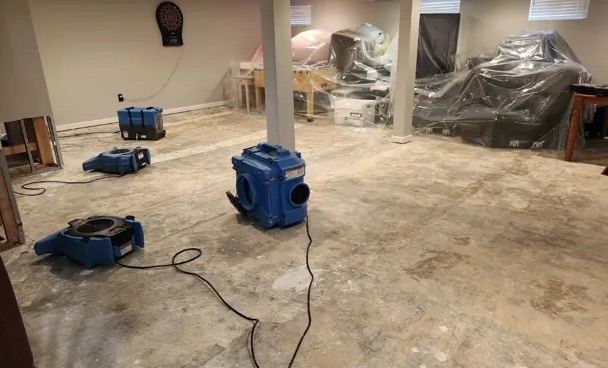
Expert Temperature-Controlled Drying Services in Prosper, Texas
In Prosper, materials dry at different rates. Local pros map moisture content so each material gets the drying it needs.
In Prosper and nearby Celina, Frisco and Savannah, local pros take baseline moisture readings, then run air movers and dehumidifiers and log moisture levels as they drop.
Temperature-Controlled Drying Methods Available in Prosper
Moisture Mapping
Moisture mapping uses penetrating and non-penetrating meters to document water migration. This creates a blueprint of wet areas, including hidden moisture behind walls.
Rapid Structural Drying Services
The experts aim air movers at wet studs, joists and subfloors to dry the structure safely.
Thermal Drying for Water Damage
Controlled heat speeds up drying of wet materials in Prosper, which helps prevent swelling wood and failed flooring adhesive.
Drying Equipment Deployment
The experts set up LGR dehumidifiers, axial fans and cavity drying systems to work together on the wet structure.
Humidity Control for Restoration
The experts run dehumidifiers to pull water vapor out of the air, which draws more moisture out of wet surfaces and prevents secondary damage.
Signs You Need Professional Temperature-Controlled Drying in Prosper
Moisture Meter Shows High Readings
A moisture meter reading high inside walls or floors means drying is not finished.
Paint Peeling or Bubbling Up
Paint loses adhesion and forms bubbles or peels away from the wall. This failure is caused by moisture trapped beneath the paint film.
Cracking of Plaster or Joints
Plaster or drywall joint tape develops new cracks or fissures. These cracks occur as wet materials swell and then contract during drying.
High Humidity Readings Inside
A hygrometer showing unusually high indoor humidity after water damage means the building is still wet.
How Temperature-Controlled Drying Works in Prosper
Step 1: Site Evaluation and Equipment Planning
The pros evaluate the site to determine the type and quantity of drying tools needed.
Step 2: Drying Equipment Setup
Industrial air movers and dehumidifiers are set up in the affected zones right away.
Step 3: Controlled Humidity Management
Dehumidifiers pull moist air out of the room, which keeps the air dry enough for materials to keep drying.
Step 4: Progress Tracking With Drying Logs
Temperature, humidity and moisture readings are recorded each day in a drying log.
Causes of Persistent Dampness Requiring Controlled Drying in Prosper
Undetected Plumbing Leaks
A slow drip behind a wall or under a slab saturates materials over time.
HVAC System Condensation Issues
A clogged condensate drain line causes an overflow inside the air handler. This water can soak insulation and ductwork, creating a hidden moisture issue.
Foundation Cracks and Seepage
Hydrostatic pressure forces groundwater through cracks in the foundation wall. This seepage creates a constant dampness that challenges standard drying technology.
Inadequate Initial Water Extraction
Water left behind after a leak or flood moves into subfloors and walls, where it is harder to dry.
Whole-Property Temperature-Controlled Drying in Prosper
Residential Temperature-Controlled Drying
Homeowners benefit from structural drying that prevents mold and preserves structural elements like wood framing and drywall. The experts set up targeted drying arrays to address specific home layouts and materials.
Commercial Temperature-Controlled Drying
For commercial properties, pros run industrial dehumidifiers and air movers to control humidity in large spaces and monitor moisture until the building is dry.
Temperature-Controlled Drying: DIY Risks vs. Professional Care in Prosper
Photograph all affected areas and items for insurance and move undamaged belongings to a dry room. Drying the structure takes industrial equipment that DIY gear cannot replace.
Cost Considerations for Temperature-Controlled Drying in Prosper
In Prosper, the main price factors are how long drying takes and which equipment, such as heaters or desiccants, is used.
Moisture Mapping Complexity
Checking moisture in layered floors or hidden cavities takes more time and equipment.
Structural Material Types
Porous materials like concrete or dense wood require more aggressive drying strategies and extended monitoring, influencing the project timeline and cost.
Equipment Needs
The number and type of air movers, dehumidifiers and heaters used affect the cost.
Does Insurance Cover Temperature-Controlled Drying?
The experts in Prosper provide thorough documentation including moisture mapping data to support a homeowner's claim. Coverage decisions belong to the insurer, so property owners should confirm with their provider.
Why Choose Local Moisture Control Experts for Temperature-Controlled Drying in Prosper
Comprehensive Drying Logs
Detailed, chronological logs of moisture readings and equipment settings provide a transparent record of the entire temperature-controlled drying process.
Targeted Thermal Drying
Applying directed heat energy safely accelerates the drying of dense materials, reducing the overall timeline for the restoration project.
24/7 Emergency Response
Quick action is critical to limit secondary damage, and the pros are available around the clock to begin the drying process.
24/7 Emergency Temperature-Controlled Drying in Prosper
Don't let moisture settle in. For emergency deployment of drying equipment and strategic air mover placement to start controlled drying, reach the experts directly at (972) 480-3796, available 24/7.
Call Now (972) 480-3796Temperature-Controlled Drying Serving Prosper and Nearby Areas
Temperature-controlled drying is available for homes in Prosper and nearby places like Celina, Frisco and Savannah.
- Temperature-Controlled Drying in Celina
- Temperature-Controlled Drying in Frisco
- Temperature-Controlled Drying in Savannah
- Temperature-Controlled Drying in Paloma Creek
- Temperature-Controlled Drying in Little Elm
- Temperature-Controlled Drying in McKinney
- Temperature-Controlled Drying in The Colony
- Temperature-Controlled Drying in Fairview
- Emergency Damage Restoration in 75078
- Storm Damage Restoration in 75078
- Water Damage Restoration in 75078
- Water Extraction Service in 75078
- Water Leak Detection in 75078
- Water Removal Service in 75078
Frequently Asked Questions About Temperature-Controlled Drying
What should a property owner do while waiting for help with drying?
If safe, remove obvious standing water with a mop or towels, move dry contents away from the wet area, and avoid using household fans which can spread contaminants.
How is drying progress verified during moisture monitoring?
Progress is verified by taking comparative moisture readings with penetrating and non-penetrating meters over time, ensuring levels drop to established dry standards for each material.
What are water damage drying logs used for?
Drying logs are detailed records of moisture readings, equipment settings, and progress; they provide documentation for the restoration process and are often required for insurance claims.
What does drying equipment deployment involve?
Pros assess the loss, calculate how much equipment is needed and place air movers, dehumidifiers and sometimes heaters.
How does thermal drying for water damage work?
Thermal drying applies carefully managed heat to increase the evaporation rate of moisture trapped within materials, accelerating the drying process while monitored to prevent damage.