Plano, TX · Collin County
Clean Water Extraction (Category 1) in Plano, TXEmergency Water Mitigation & Wet Carpet Water Extraction
Clean Water Extraction (Category 1) in Plano runs from standing water pump out and appliance leak water cleanup to wall cavity water extraction.
Answered 24/7
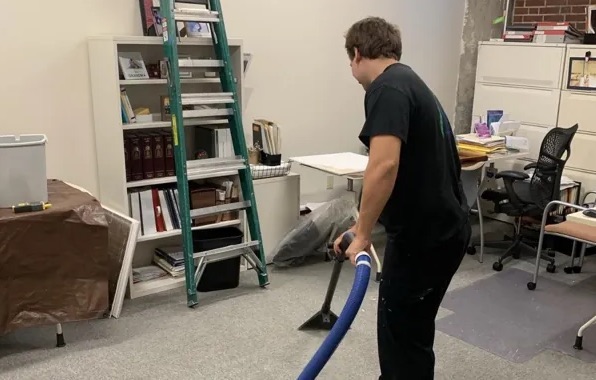
Clean Water Extraction (Category 1) for Plano Properties
Category 1 water is clean water from a sanitary source: a broken supply line, a leaking water heater, an overflowing sink with no waste in it. In Plano, it is the most common kind of water damage, and the easiest to recover from when handled fast.
Homeowners in Plano can call (972) 480-3796 day or night when clean water floods a room. Service also covers Murphy, Parker and Richardson, with the same extraction and drying steps.
Clean Water Extraction (Category 1) Methods Used in Plano
Emergency Water Mitigation
Help is available any hour, because clean water that sits more than a day or two can start to break down materials and become less clean.
Wet Carpet Water Extraction
Fast extraction of clean water from carpet is the main reason so much carpet can be saved after a supply line leak.
Clean Water Removal From Flooring
Water is followed under baseboards and thresholds into nearby rooms, so no wet flooring is missed.
Wall Cavity Water Extraction
Wet insulation in the wall cavity is pulled out so studs can dry. Drywall wet from clean water can often stay.
Ceiling Leak Water Removal
The ceiling cavity is dried along with the room below, so both levels are back to normal before repairs.
How to Know You Need Clean Water Extraction (Category 1) in Plano
Water Stains on Ceilings
A new stain on the ceiling usually means clean water from a pipe or fixture above.
Furniture in Wet Areas
Furniture sitting in wet areas can stain carpet and swell at the legs, and should be moved or blocked up.
Water Around Appliances
Water around the washer, water heater, dishwasher or refrigerator points to a failing hose or fitting.
Damp or Soft Drywall
Drywall that feels soft or damp near the floor has wicked up water from a leak.
How Clean Water Extraction (Category 1) Works in Plano
Step 1: Leak Identification and Control
The leaking line, appliance or fixture is found and shut off so no more water enters.
Step 2: Water Removal Process
Water is removed quickly while it is still clean, which keeps more materials salvageable.
Step 3: Dehumidification
Dehumidifiers pull moisture from the air so walls, floors and cabinets can dry evenly.
Step 4: Post-Drying Documentation
Photos, readings and drying logs are provided for your records and insurer.
Common Causes of Clean Water Damage in Plano
Overflowing Sinks or Tubs
Sinks and tubs left running overflow with clean water onto floors and into rooms below.
Appliance Malfunctions
Washers, dishwashers and refrigerators fail at hoses and fittings and leak onto the floor.
Water Heater Failure
Water heaters leak or burst as tanks corrode and fittings wear out.
Hydrostatic Pressure in Slabs
Groundwater pressure under a slab can push clean water up through cracks in the floor.
Clean Water Extraction (Category 1) in Plano: Residential and Commercial
Residential Clean Water Extraction (Category 1)
In homes, clean water leaks usually come from laundry rooms, kitchens and water heater closets. Water is extracted, belongings protected and floors and walls dried so they can stay.
Commercial Clean Water Extraction (Category 1)
In offices and stores, a supply line break can soak carpet and walls across several rooms. Extraction and drying are planned around business hours to keep the space open.
When to Hire Local Pros for Clean Water Extraction (Category 1) in Plano
For a small clean water spill on tile, shutting off the source and mopping it up is fine. Call local restoration pros if water reached carpet, walls, cabinets or the floor below.
What Affects Clean Water Extraction (Category 1) Cost in Plano?
The cost of clean water extraction (category 1) in Plano depends on how much water there is, how many rooms it reached and how long drying takes.
Water Category and Source
Clean water costs less to handle than gray or black water, since more materials can be dried in place.
Drying Time Duration
Drying usually takes a few days, and each extra day adds equipment time to the total.
Emergency Service Timing
Night, weekend and holiday calls can cost more than a scheduled weekday visit.
Does Insurance Cover Clean Water Extraction (Category 1)?
Photograph the water, the source and damaged belongings before cleanup, and keep receipts for emergency extraction and drying equipment for your adjuster.
The Value of Professional Clean Water Extraction (Category 1) in Plano
Clear Communication and Updates
You get plain updates on what is wet, what can be saved and how long drying should take.
Drying Plan
Drying follows a set plan based on readings, with equipment moved as each area dries.
Source Analysis
The pros find the leak source and note it, so the right repair is made.
Emergency Clean Water Extraction (Category 1) Response for Plano
Clean water soaks into floors and walls fast and can turn dirty if left. Call (972) 480-3796 for clean water extraction (category 1) in Plano at any hour.
Call Now (972) 480-3796Clean Water Extraction (Category 1) Coverage in Plano, Murphy, Parker and Richardson
Help with clean water extraction (category 1) is also available in communities near Plano, including Murphy, Parker and Richardson, for supply line breaks and appliance leaks.
- Clean Water Extraction (Category 1) in Murphy
- Clean Water Extraction (Category 1) in Parker
- Clean Water Extraction (Category 1) in Richardson
- Clean Water Extraction (Category 1) in Sachse
- Clean Water Extraction (Category 1) in Allen
- Clean Water Extraction (Category 1) in Lucas
- Clean Water Extraction (Category 1) in Addison
- Clean Water Extraction (Category 1) in Fairview
- Emergency Damage Restoration in 75023
- Storm Damage Restoration in 75023
- Water Damage Restoration in 75023
- Water Extraction Service in 75023
- Water Leak Detection in 75023
- Water Removal Service in 75023
- Emergency Damage Restoration in 75024
- Storm Damage Restoration in 75024
Frequently Asked Clean Water Extraction (Category 1) Questions
What is the goal of water mitigation services?
To limit the damage by removing water and drying materials before they need to be replaced.
What is involved in hard surface floor drying?
Extracting water from tile, concrete or wood, checking grout and seams for water underneath and drying with air movers and dehumidifiers.
Does a ceiling leak need special extraction methods?
Yes. The ceiling is drained through a small opening, wet insulation is removed and the cavity above is dried.
How is moisture detected after water extraction?
Moisture meters and thermal cameras check floors, walls and ceilings, comparing readings to dry, unaffected areas.
What methods are used for water behind walls?
Small holes or removed baseboards let air into the cavity, wet insulation is removed and the wall is dried until readings are normal.